
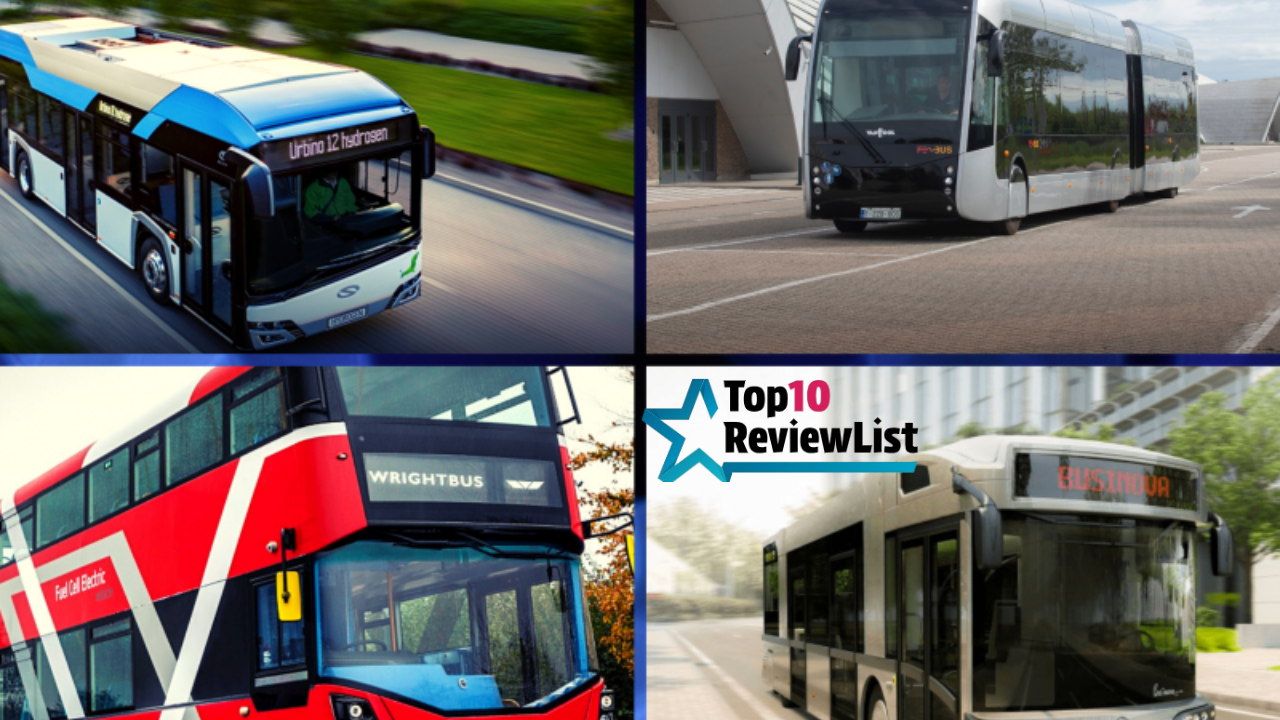
10 Modern Bus Services Redefining Intercity Travel
Intercity travel has changed significantly over the past few years. Travelers today are no longer limited to choosing between driving their own car and booking an expensive flight. Modern bus services have created another option that combines affordability, convenience, digital booking, and increasingly comfortable travel experiences. For students, tourists, commuters, families, and budget-conscious travelers, buses can provide a practical way to move between cities without the expense and complexity associated with other forms of transportation.
The modern bus industry is also very different from the traditional image of long-distance coaches. Many operators now use online booking systems, mobile applications, digital tickets, onboard Wi-Fi, charging facilities, reserved seating, luggage options, and real-time travel information. Some services focus on premium comfort, while others compete primarily on affordability and extensive route networks. This variety means travelers can select a service based on their specific needs rather than simply choosing whichever bus happens to be available.
This article explores 10 modern bus services that are helping reshape intercity transportation. Each has a different approach to routes, pricing, comfort, technology, or customer experience. While availability varies by country and route, these companies demonstrate how bus travel continues to evolve as an important part of modern transportation.
1. FlixBus
FlixBus has become one of the most recognizable names in modern intercity bus transportation. The company has built a large network across multiple countries and has focused heavily on making bus travel accessible through digital booking and extensive route coverage.
One of the major strengths of FlixBus is its broad network. Travelers can find connections between major cities as well as routes serving smaller destinations. This makes it useful for people who want to travel between cities without relying on a personal vehicle.
The company also places considerable emphasis on digital convenience. Travelers can search for journeys, compare schedules, purchase tickets, and manage bookings through digital platforms.
For budget-conscious passengers, price is another important attraction. Fares can vary according to route, timing, demand, and availability, allowing travelers with flexible schedules to potentially find affordable options.
FlixBus also provides amenities on many services, such as Wi-Fi, power facilities, comfortable seating, and onboard restrooms. Availability can differ by vehicle and route, so passengers should always check the details of their specific journey.
The combination of extensive routes, digital booking, and competitive pricing has helped make FlixBus an important example of how traditional bus transportation can be modernized.
2. Megabus
Megabus is another well-known intercity bus service that has built its reputation around affordable transportation.
The service has historically focused on connecting major cities and providing travelers with a lower-cost alternative to driving or flying. Its appeal is particularly strong among students, younger travelers, and passengers who are willing to trade some travel time for lower transportation costs.
One of the important features of modern Megabus travel is online booking. Travelers can compare available journeys and select a suitable departure before reaching the station.
Megabus also demonstrates how pricing can influence consumer behavior in transportation. Travelers who plan ahead and remain flexible may find attractive fares, while popular travel dates can have different pricing.
The service is particularly relevant to people planning short city breaks. Someone traveling between two nearby metropolitan areas may find that taking a bus is easier and less expensive than flying.
For passengers who prioritize affordability over premium amenities, Megabus can remain a practical option.
3. Greyhound
Greyhound has a long history in North American bus transportation and remains one of the most recognizable intercity travel brands.
What makes Greyhound particularly interesting is the way a traditional transportation company has adapted to changing customer expectations. Modern travelers increasingly expect online reservations, digital information, multiple payment options, and easier trip management.
Greyhound’s network has historically connected cities and communities across the United States, making it an important option for travelers who want to cover long distances by road.
Bus travel can also provide access to destinations that may not have convenient direct flights. Instead of traveling through an airport hub, passengers can sometimes travel directly between cities by road.
For long-distance travelers, the ability to bring luggage and avoid airport procedures can also be attractive.
Greyhound represents an important part of the evolution of bus transportation because it combines a long-established network with modern expectations around digital travel.
4. OurBus
OurBus takes a somewhat different approach to intercity transportation.
Rather than relying solely on traditional fixed-route models, the company has explored ways of using passenger demand to develop routes. This approach can make bus transportation more responsive to where travelers actually want to go.
The idea behind demand-driven transportation is relatively simple. If enough people want a particular connection, a service can potentially create or support a route around that demand.
This model can be particularly interesting for travelers who live outside major transportation hubs.
Modern passengers increasingly expect transportation to be designed around their needs. They want convenient departure points, reasonable schedules, simple booking, and competitive pricing.
OurBus demonstrates how technology can help transportation companies identify demand and develop services accordingly.
It also reflects a broader trend in transportation: using digital platforms and customer data to improve route planning.
5. Coach USA
Coach USA operates a variety of bus services and has a long presence in North American ground transportation.
Its services demonstrate that the modern bus industry is not limited to one type of traveler.
Different passengers may use intercity and regional bus services for commuting, leisure travel, airport connections, group transportation, or longer journeys.
Coach operators also play an important role in connecting areas where other forms of public transportation may be limited.
For travelers, the ability to travel without driving can provide several advantages. Passengers can use the journey to relax, work, read, or simply enjoy the scenery.
As digital technology continues to develop, traditional coach operators are also incorporating online reservation systems, digital information, and improved customer communication.
Coach USA represents the broader transition from traditional bus transportation toward a more connected and customer-focused travel experience.
6. RedCoach
RedCoach has developed a reputation around premium intercity bus travel, particularly in the United States.
Unlike operators that compete primarily on the lowest possible price, premium bus services focus more heavily on comfort and onboard experience.
This approach is important because not every traveler considers price the only factor when selecting transportation.
For a journey lasting several hours, passengers may be willing to pay more for additional comfort, greater personal space, convenient boarding locations, or improved onboard facilities.
RedCoach illustrates how the bus industry can serve different segments of the market.
Budget travelers may prioritize low fares, while business travelers or passengers taking longer journeys may value comfort and convenience.
This creates an opportunity for premium bus services to compete with other forms of transportation by offering a balance between affordability and a higher-quality travel experience.
7. Peter Pan Bus Lines
Peter Pan Bus Lines is another established name in intercity transportation, particularly in the northeastern United States.
The company has historically connected cities and communities across the region, providing an alternative to private vehicles and other transportation options.
The Northeast is particularly suitable for intercity bus travel because several major metropolitan areas are located relatively close to one another.
Travelers moving between cities can sometimes find bus transportation more practical than flying.
A modern bus journey can eliminate the need to drive through congested highways or find expensive parking in city centers.
For students, tourists, commuters, and occasional travelers, this can make bus transportation a convenient option.
Peter Pan also demonstrates the continuing importance of regional bus networks in an era when transportation is becoming increasingly digital.
8. Jefferson Lines
Jefferson Lines is an important regional bus operator serving parts of the central United States.
Regional services such as this play an important role because not every useful transportation connection needs to involve major international cities.
Smaller communities also require transportation links to larger cities, universities, airports, medical centers, and commercial areas.
Bus networks can provide these connections at a lower cost than maintaining private vehicles or developing extensive rail infrastructure in every region.
For passengers traveling across the central United States, regional bus services can provide practical connections between destinations that may otherwise require a long drive.
Jefferson Lines highlights an important part of modern transportation: connectivity is not only about major metropolitan areas. Smaller communities also need reliable ways to reach wider transportation networks.
9. Indian Bus Services and Digital Intercity Platforms
India has a particularly diverse intercity bus market, with government transport organizations, private operators, and digital booking platforms contributing to a large transportation ecosystem.
Companies and platforms operating in this market have helped make bus booking increasingly digital.
Travelers can compare operators, routes, departure times, boarding points, seat types, and prices from their phones.
This development has changed the way passengers plan road journeys.
In the past, travelers often had to visit a ticket counter or rely on local travel agents to understand their options. Digital platforms now allow customers to research and compare services before making a decision.
The Indian market also demonstrates the importance of sleeper and semi-sleeper buses for long-distance travel.
Because India has a large geographic area and extensive road connectivity, overnight buses can be particularly useful for travelers who want to save the cost of accommodation while traveling between cities.
The growth of digital bus booking shows how technology can improve even highly traditional transportation markets.
10. National Express
National Express is one of the prominent names in intercity coach transportation in the United Kingdom.
The service connects many destinations and provides an alternative to rail travel and private vehicles.
The UK is well suited to intercity coach transportation because many major cities are connected by relatively extensive road networks.
For travelers comparing transportation options, coach travel can sometimes offer lower fares than trains, particularly when tickets are booked in advance.
National Express also demonstrates how modern coach companies can combine established transportation infrastructure with digital booking and customer services.
For tourists visiting the UK, coaches can be useful for traveling between major cities while keeping transportation expenses manageable.
The service is especially relevant to travelers who are not in a hurry and want to prioritize affordability.
What Makes Modern Bus Services Different?
The companies discussed above operate in different markets and use different business models, but several common trends can be seen across the modern bus industry.
Digital Booking
One of the biggest changes is the shift from physical ticket counters to digital booking.
Travelers can now search for routes, compare prices, select departure times, and manage reservations from their smartphones or computers.
Digital booking has made bus transportation more accessible to people who are comfortable planning their trips online.
It also allows travelers to compare multiple options before making a purchase.
Mobile Travel Management
Mobile applications have become an important part of modern transportation.
Passengers may use apps to access tickets, review journey information, receive notifications, and manage bookings.
This reduces the need to carry physical documents and makes travel information available in one place.
For frequent travelers, mobile management can make the overall experience much more convenient.
More Transparent Pricing
Modern booking platforms make it easier for customers to compare fares.
Instead of visiting multiple ticket offices, travelers can often compare different departure times and operators from one device.
This encourages competition and gives customers more control over their transportation decisions.
Flexible travelers can also search different dates and times to identify better-value options.
Improved Comfort
Modern buses increasingly focus on passenger comfort.
Depending on the operator and vehicle, travelers may have access to:
- Comfortable seats
- Extra legroom
- Wi-Fi
- Charging facilities
- Restrooms
- Entertainment options
- Air conditioning
- Reading lights
- Luggage storage
The exact amenities vary by company and route, but the overall direction of the industry is clear: passengers expect more than basic transportation.
Better Connectivity
Bus transportation is increasingly integrated with other forms of travel.
A passenger may take a bus to a major city, transfer to a train, and then use local public transportation to reach a final destination.
Digital journey planning can make these combinations easier to organize.
This is particularly important for travelers who do not own cars.
Why Bus Travel Is Becoming More Attractive
Several factors are contributing to renewed interest in intercity bus travel.
Affordability
Cost remains one of the biggest advantages.
For many travelers, buses can provide an affordable alternative to flights and private vehicles.
Convenience
Passengers do not have to drive.
They can spend the journey reading, working, sleeping, or relaxing.
Accessibility
Buses can connect cities and communities that may have limited rail or air services.
Flexibility
Many operators provide multiple departures, allowing travelers to select a schedule that fits their plans.
Practicality
For short and medium-distance journeys, bus travel can be simpler than flying.
There is generally no need to navigate an airport security process or deal with airport parking.
How to Choose the Right Bus Service
With so many options available, selecting the right bus company requires more than simply searching for the lowest fare.
Start by identifying your priorities.
If price is your main concern, compare multiple operators and travel dates.
If comfort is more important, look for services offering additional space, charging facilities, Wi-Fi, and other amenities.
If you are traveling with luggage, carefully review the baggage rules.
If you are traveling for business, consider departure and arrival times.
If you are visiting a new city, check how convenient the bus stop is in relation to your accommodation.
The best bus service is the one that fits your overall needs.
Tips for Saving Money on Bus Travel
Travelers can use several strategies to reduce transportation expenses.
Book Early
Advance booking can sometimes provide access to better fares and more departure choices.
Compare Dates
If possible, check several travel dates.
Compare Departure Times
Different departures can have different fares.
Travel During Off-Peak Periods
Avoiding holidays and major events can make travel more affordable.
Pack Efficiently
Understanding baggage allowances can help prevent additional charges.
Compare the Complete Cost
Consider transportation to and from the bus stop rather than focusing only on the ticket price.
Consider Overnight Travel
For suitable journeys, an overnight bus may reduce the need for an additional hotel night.
The Future of Intercity Bus Travel
The bus industry is likely to continue evolving as technology, customer expectations, and environmental considerations influence transportation.
Electric and alternative-fuel buses may become increasingly important as transportation companies look for ways to reduce emissions.
Digital ticketing will likely become even more integrated with broader travel platforms.
Artificial intelligence and data analysis could also influence route planning and demand forecasting.
Instead of simply operating fixed routes, transportation companies may increasingly analyze passenger behavior to determine where additional services are needed.
Another potential development is improved integration between buses, trains, airports, and local transportation.
The future of travel may involve passengers planning complete journeys rather than individual transportation segments.
Conclusion
Modern bus services are changing the way people think about intercity transportation. Companies such as FlixBus, Megabus, Greyhound, OurBus, Coach USA, RedCoach, Peter Pan Bus Lines, Jefferson Lines, regional Indian operators and digital platforms, and National Express demonstrate that bus travel can offer much more than basic transportation.
The modern bus experience increasingly combines affordability, digital booking, comfortable vehicles, useful onboard facilities, flexible schedules, and wider route networks.
For budget-conscious travelers, buses can provide a practical alternative to flying or driving. For passengers who prioritize comfort, premium coach services offer another option. For people living outside major metropolitan areas, regional bus networks can provide valuable connections to larger transportation hubs.
Ultimately, the growth of modern bus services reflects a broader change in the way people approach travel. Passengers increasingly want transportation that is affordable, convenient, connected, and easy to manage.
Whether you are planning a weekend trip, visiting family, commuting between cities, exploring a new country, or traveling across a large region, modern bus services offer a wide range of possibilities.
The best choice depends on your destination, budget, schedule, luggage requirements, and preferred level of comfort. By comparing different operators and considering the complete travel experience rather than simply the ticket price, travelers can find transportation that fits both their plans and their budget.
As technology continues to improve and transportation companies invest in better vehicles, digital services, and more efficient operations, intercity buses are likely to remain an important part of the modern travel landscape.