
Health and fitness tracking has changed significantly in recent years. People no longer want to know only their weight or the number of steps they take each day. They want a more complete picture of their health – including body fat, muscle mass, sleep, recovery, hydration and other wellness trends.
This is where Hume Health has started attracting attention. Its ecosystem combines devices such as the Hume Pod and Hume Band with an app designed to bring different health measurements together. The Hume Health app currently has more than 1 million downloads and a 4.3-star rating on Google Play, showing that the platform has gained considerable user interest.
But what exactly is making Hume Health popular? Here are seven reasons why more people are considering it for everyday health and fitness tracking.
1. It Goes Beyond Traditional Weight Tracking
One of the biggest reasons people are interested in Hume Health is that it focuses on more than just the number displayed on a traditional bathroom scale.
The Hume Pod is designed to measure 45+ body-composition metrics, including body fat, muscle mass, visceral fat, body water, metabolic age, bone mass and other measurements.
This can be particularly useful for people who are exercising or trying to change their body composition. For example, someone may see very little change in their overall weight while simultaneously gaining muscle and losing body fat.
Instead of judging progress purely by body weight, users can look at longer-term trends across multiple measurements.
That broader approach is one of the main reasons Hume’s concept stands out from a basic digital weighing scale.
2. The Hume Pod Provides a More Detailed Body-Composition Picture
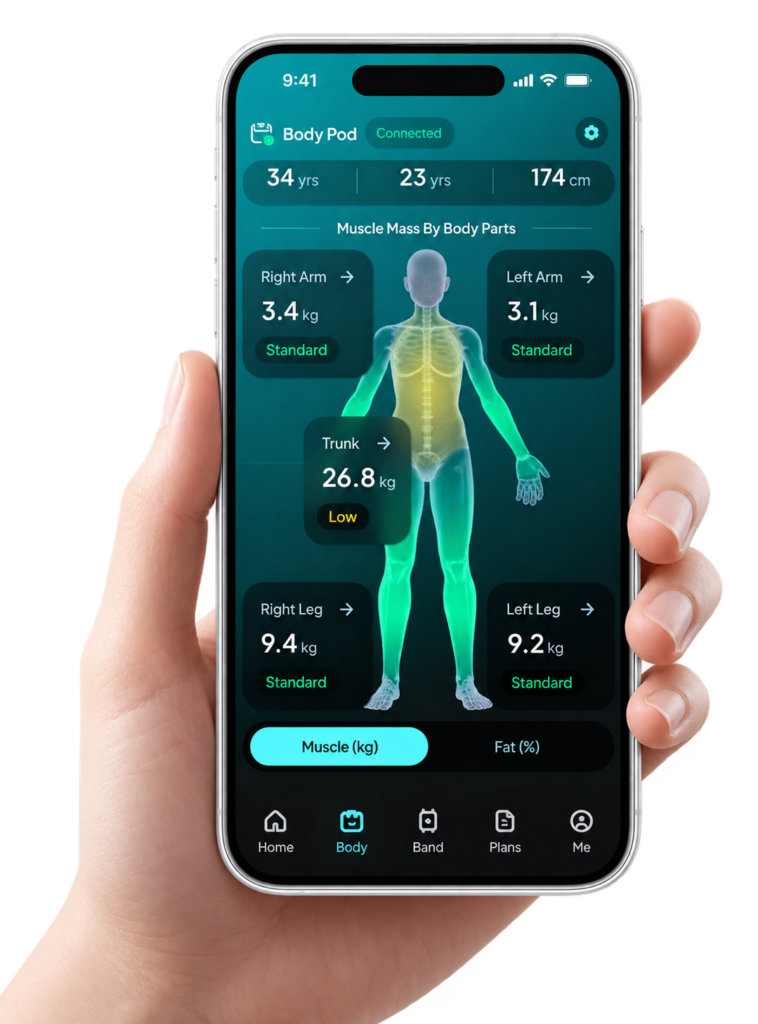
Another reason for Hume’s growing popularity is the way its Pod is designed to collect body-composition data.
According to Hume, the Pod uses multi-frequency sensors and an eight-point scan, measuring different areas including the arms, torso and legs. This is intended to provide more detailed information than conventional foot-only smart scales.
For fitness enthusiasts, this type of information can make progress easier to understand.
For example, instead of simply seeing that weight has increased, a user may be able to look at changes in muscle mass and body fat over time. Similarly, someone focused on weight loss may want to understand whether changes are coming primarily from fat, muscle or water.
It is important to remember that home body-composition devices are best viewed as trend-tracking tools rather than replacements for clinical testing. Hume itself notes that its measurements should not be treated as a clinical measurement or a replacement for DEXA.
3. It Turns Health Data Into Something Easier to Follow
Having lots of numbers is not necessarily useful if users cannot understand what those numbers mean.
Hume attempts to address this by combining measurements within its app and presenting health information as trends. Users can monitor changes over time rather than looking at individual readings in isolation.
This can make the experience more motivating. Seeing a trend in body fat, muscle mass or other measurements can provide a clearer picture of progress than checking the scale every day.
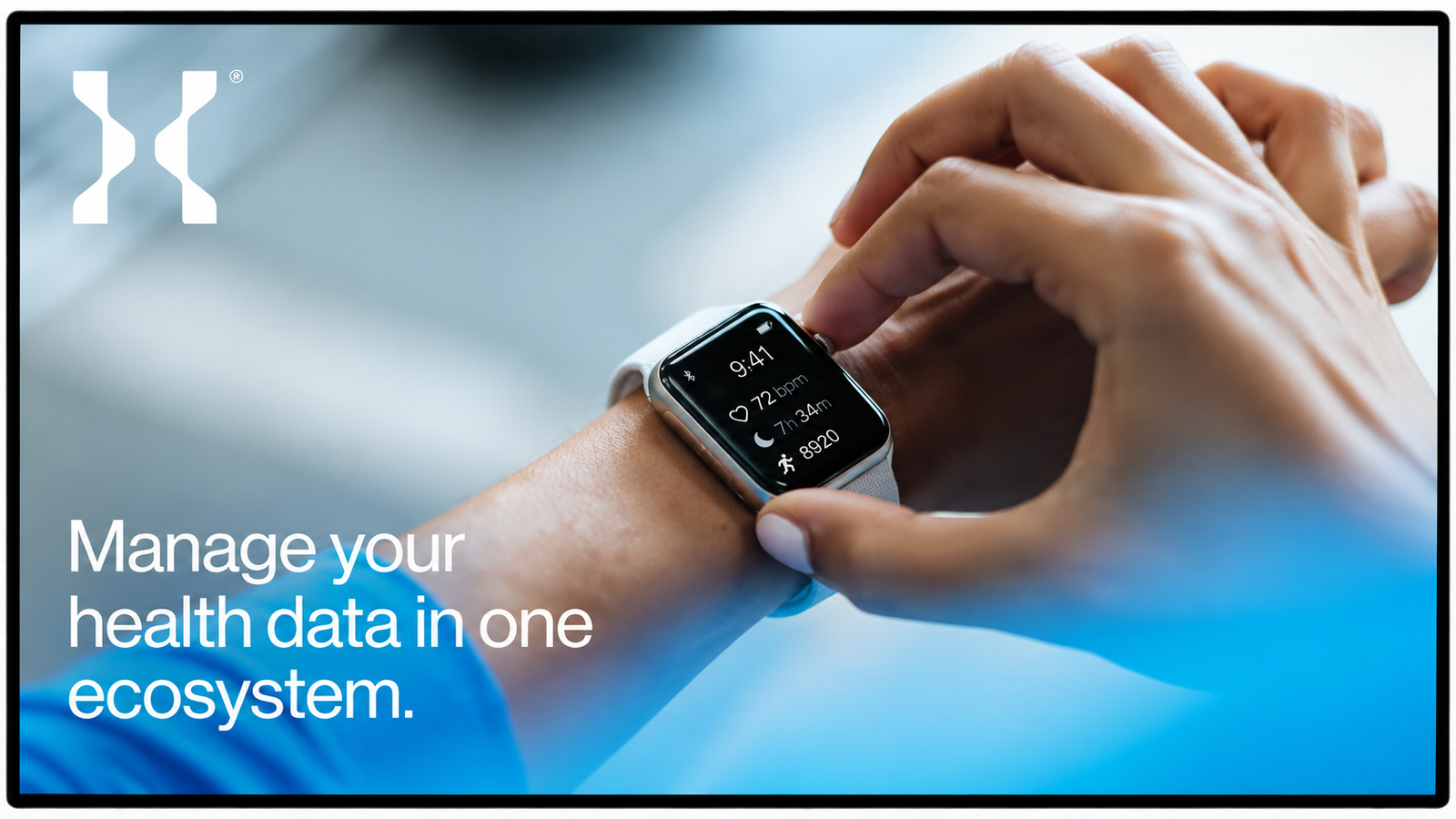
The app is also designed to work as the central platform for Hume’s devices, allowing users to view their information in one place.
For people who enjoy data-driven fitness, having this information organized in one app can make tracking feel more convenient.
4. Hume Is Building a Complete Health Ecosystem
Hume Health is not just about one smart scale.
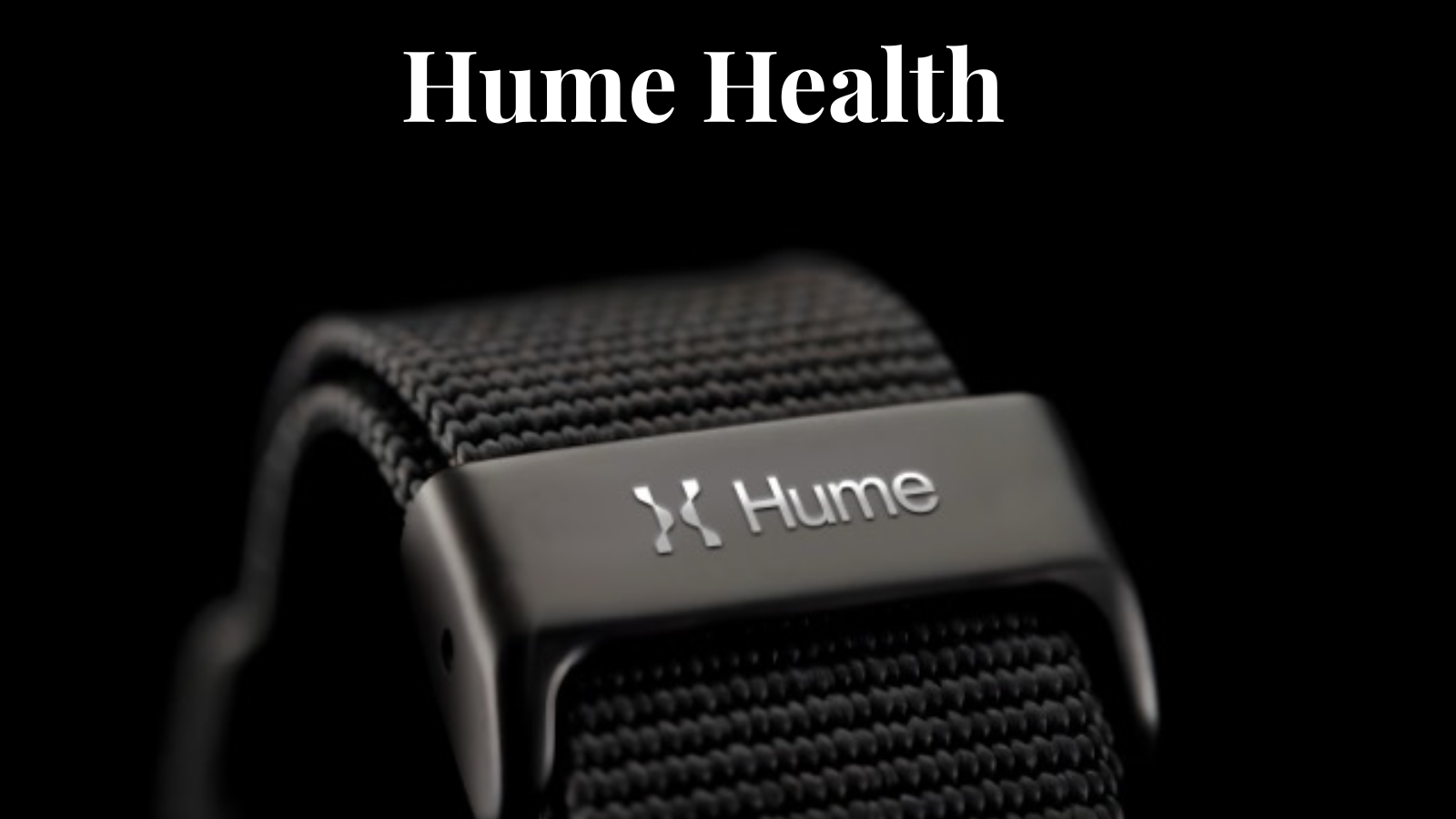
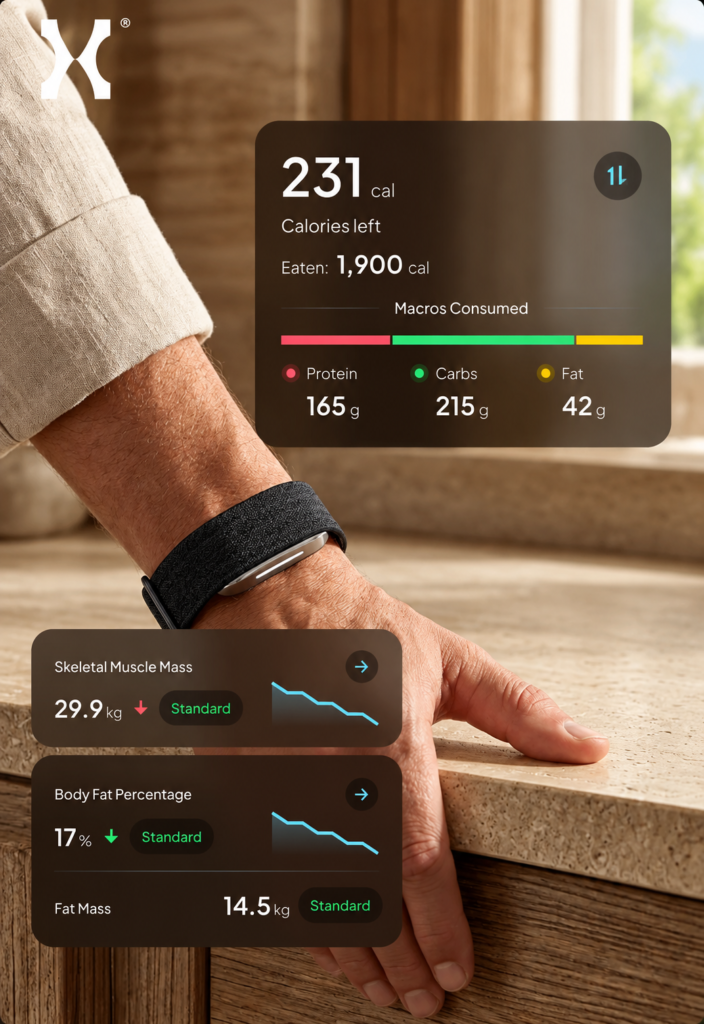
The company’s ecosystem includes the Hume Pod for body-composition tracking and the Hume Band for ongoing health and wellness signals.
According to Hume, the Band can track areas such as sleep, HRV, strain and recovery, while the Pod provides periodic body-composition measurements. Hume combines these different data points into what it calls a broader “Health OS.”
This approach is appealing because different devices traditionally focus on different aspects of health.
A smartwatch might focus on activity and heart-related metrics. A smart scale might focus on weight and body composition. Hume’s strategy is to connect these different types of information so users can view their health more holistically.
5. The No-Subscription Approach Is Attractive to Many Users
Subscription fatigue has become a real concern for consumers buying smart health and fitness products.
Many devices require users to pay a monthly fee to unlock advanced information. Hume’s current product pages emphasize that the core metrics and app experience do not require a subscription.
That can make the product more appealing to people who prefer buying a device once and continuing to use its basic features without another recurring expense.
Hume does offer optional premium features in its app, including personalized coaching and nutrition-related tools, but the company states that users do not need premium features to use the basic app and track their measurements.
For many consumers, that flexibility can be an important advantage.
6. It Appeals to People Focused on Long-Term Progress
Another reason Hume Health is getting attention is its emphasis on trends rather than individual readings.
Fitness progress rarely happens in a perfectly straight line. Weight can fluctuate because of hydration, food intake, exercise and other everyday factors.
Looking at several measurements over weeks or months can provide more context than focusing on one day’s number.
Hume promotes weekly body scans and longer-term trend tracking, allowing users to compare changes in areas such as body fat and muscle mass over time.
This can be particularly appealing to people who are strength training, changing their diet or simply trying to develop healthier habits.
Instead of asking only, “Did my weight go down today?” users can ask a broader question: “What is changing in my body over time?”
7. Growing User Interest Is Helping Drive Its Popularity
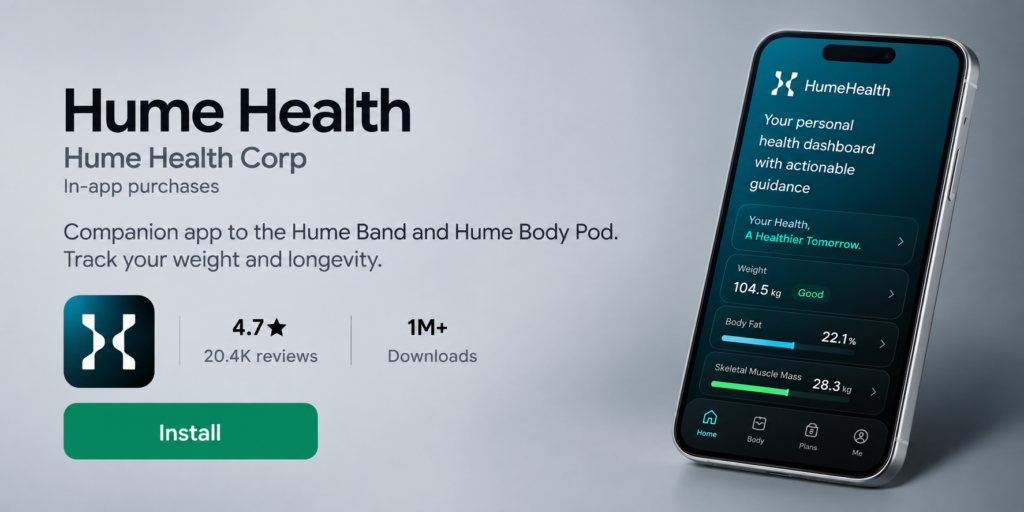
Finally, the growing user base itself is contributing to Hume Health’s visibility.
The Hume Health app has surpassed 1 million downloads on Google Play, with a current rating of around 4.3 stars from more than 20,000 reviews.
Hume’s own website also displays tens of thousands of reviews for the Hume Pod.
popularity does not mean that every user has the same experience. Independent review platforms show a more mixed picture. Trustpilot currently lists Hume Health at around 3.6 out of 5 based on roughly 6,000 reviews, with positive feedback alongside complaints involving customer service, delivery, device issues and other concerns.
This is worth considering before purchasing. Like any health-tracking technology, Hume may work particularly well for some users while others may experience connectivity, measurement or support issues.
Final Thoughts
So, why is Hume Health becoming so popular?
The biggest reason is that it fits into the growing demand for more detailed and connected personal health tracking. Instead of focusing only on weight, Hume gives users access to information about body composition and, through its broader ecosystem, areas such as sleep, HRV and recovery.
Its combination of detailed measurements, app-based tracking, connected devices and core features without a mandatory subscription makes the platform particularly interesting for people who want to take a more data-driven approach to their health and fitness.
At the same time, users should keep expectations realistic. Smart health devices can be useful for monitoring personal trends, but they should not be treated as medical diagnostic tools. For important health decisions, professional medical testing and advice remain essential.
Ultimately, Hume Health’s appeal comes down to a simple idea: people want to understand more about their health than just a number on a scale. And as consumers become increasingly interested in personalized wellness data, platforms like Hume are well positioned to attract more attention.