
For many people, fitness progress is measured by how often they work out, how many steps they take, how many calories they burn, or how much weight they can lift. But there is another side of the equation that is just as important: recovery.
A workout creates physical and physiological stress. Recovery is the process that allows the body to adapt to that stress. Without enough recovery, continuously increasing training intensity may not produce the progress someone expects. This is why understanding sleep, heart rate variability (HRV), resting heart rate, strain and recovery trends can add valuable context to a fitness routine.
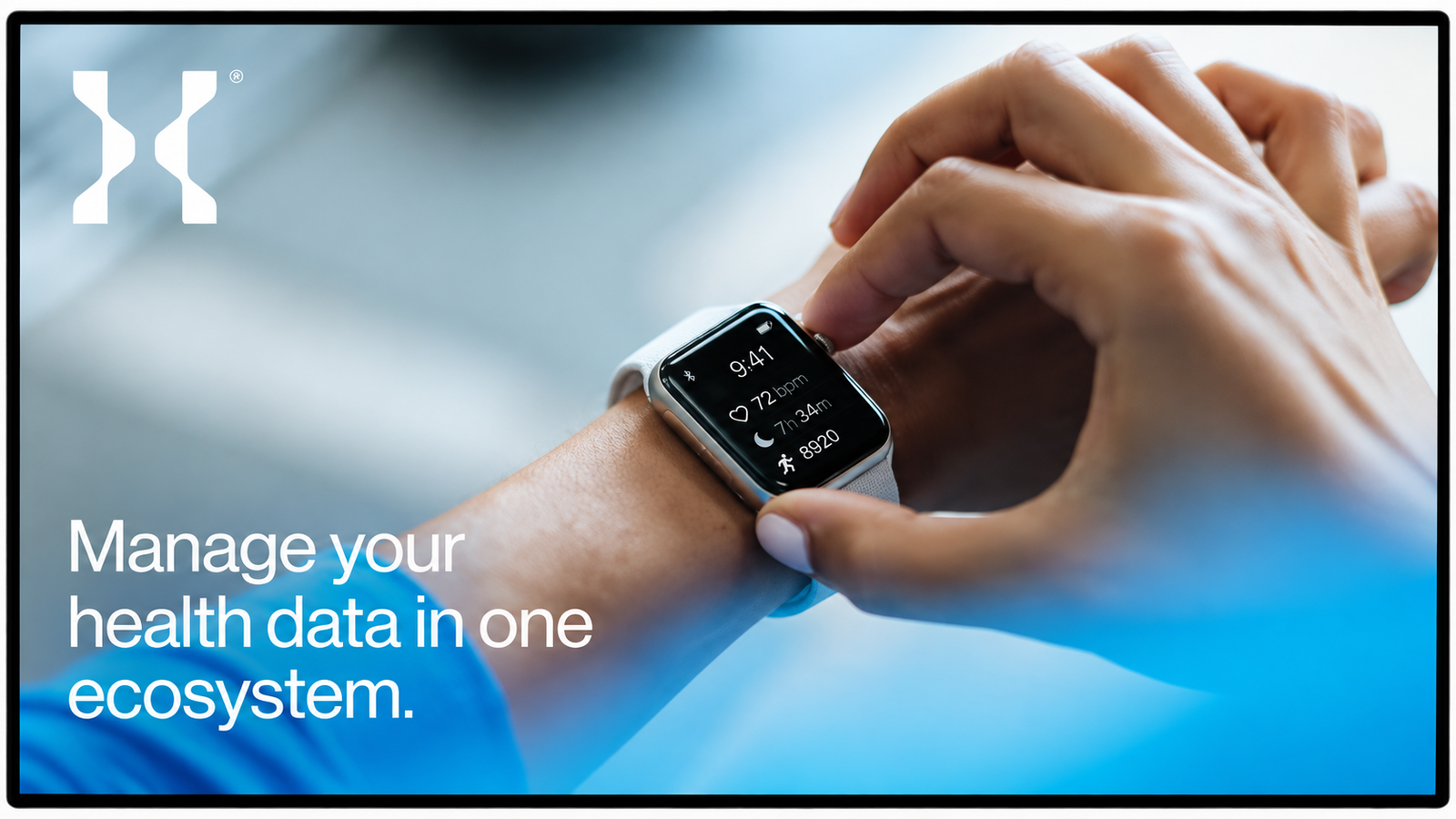
Hume Health takes a recovery-focused approach by bringing several health signals together and using them to provide a broader picture of how the body is responding to daily activity, sleep and stress. Its Hume Band 2.0 tracks metrics including HRV, resting heart rate, blood oxygen, sleep stages, activity, strain and recovery.
Sleep Is a Major Part of Recovery
Sleep is one of the most important components of the recovery process. However, simply counting the number of hours spent in bed doesn’t always provide the complete picture.
Sleep consists of different stages, including light, deep and REM sleep. Hume Health’s recovery-focused tracking looks at sleep stages alongside other physiological signals to help users understand the quality and restorative context of their sleep.
For example, someone may sleep for eight hours but have a different recovery experience from someone who gets eight hours of relatively consistent, restorative sleep.
Tracking sleep trends over multiple nights can therefore provide more useful context than looking at a single night’s number.
With the Hume Band 2.0, users can view sleep stages, sleep score, HRV, resting heart rate and other overnight measurements through the Hume Health app.
Understanding HRV and Recovery

Heart rate variability, commonly known as HRV, is another metric that can provide insight into the body’s autonomic nervous system.
Rather than simply measuring how fast the heart beats, HRV looks at variations in the time between heartbeats. Changes in HRV can be influenced by factors such as sleep, stress, physical activity and recovery.
The important point is that HRV is most useful when viewed as a personal trend, rather than treating one individual reading as a definitive measure of health or fitness.
Hume Health incorporates overnight HRV into its recovery-oriented insights and Health Score. The company explains that its Health Score considers factors including sleep quality, HRV, resting heart rate, blood oxygen levels, activity and recovery.
Over time, these trends can help users understand how lifestyle changes correspond with changes in their physiological data.
Strain and Recovery: Looking at Both Sides
Another important concept is strain.
Training places a certain amount of stress on the body. Hume’s system looks at strain alongside recovery rather than treating physical activity as an isolated number.
According to Hume Health, the Hume Band distinguishes different forms of strain and connects them with recovery information. Its framework includes concepts such as metabolic capacity, strain and recovery to help interpret how much stress the body may be able to handle on a given day.
This creates a more complete way of thinking about fitness:
Workout → Strain → Recovery → Adaptation → Next Workout
Instead of simply asking, “How much did I exercise today?”, users can also consider, “How well did I recover from what I did?”
Why Rest Days Shouldn’t Be Ignored
Rest days are sometimes viewed as days when nothing happens. From a recovery perspective, that’s not necessarily the case.
A lower-intensity day can give the body an opportunity to recover from accumulated physical and mental demands.
Hume Health‘s approach is designed to help users understand when their recovery status suggests pushing harder or prioritizing recovery. Its current Hume Band 2.0 product information describes a morning recovery score based on factors such as HRV, resting heart rate and previous night’s sleep.
This doesn’t mean a wearable should make every training decision for someone. Instead, the data can serve as another information source when planning exercise and recovery.
Moving Beyond a Single Fitness Number
One of the biggest advantages of recovery tracking is that it moves the conversation beyond a single metric.
Weight, step count, calories and workout duration can all be useful. But none of them individually explains the complete picture of how the body is responding to a lifestyle.
A broader set of measurements can provide additional context.
For example:
- HRV can provide information about autonomic patterns.
- Resting heart rate can help track cardiovascular trends.
- Sleep stages provide context around nighttime recovery.
- SpO₂ tracks blood oxygen levels.
- Strain provides information about daily physical load.
- Recovery data helps put activity and sleep into context.
- Skin temperature can add another physiological trend.
- Activity and movement provide context for daily load.
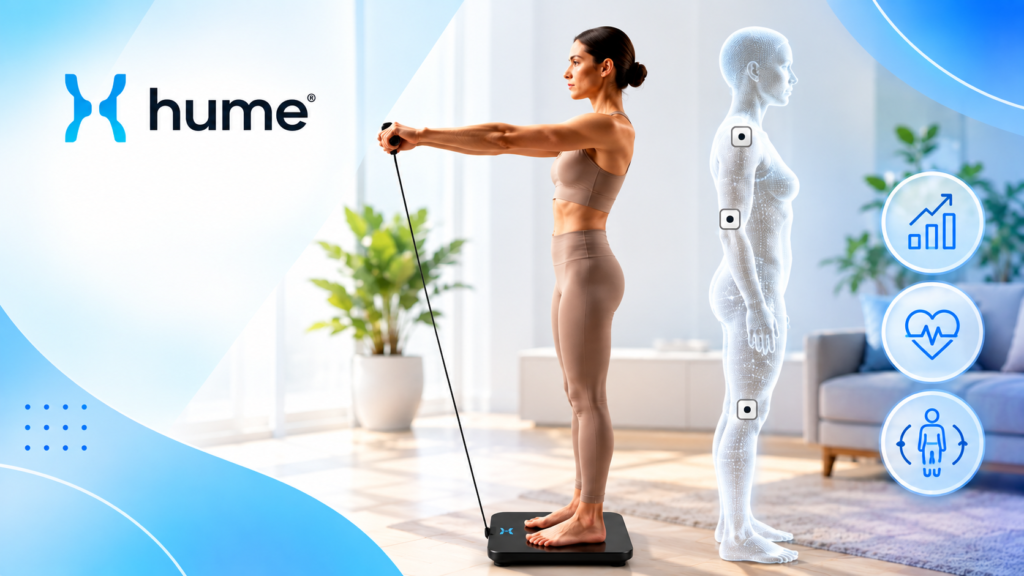
Hume Health combines these types of signals to create a more integrated view of health and recovery.
How Hume Health Can Help Identify Personal Trends
The real value of health tracking often comes from patterns rather than isolated readings.
For example, someone might notice that their recovery tends to be different after several nights of inconsistent sleep. Another person might observe changes in their data during periods of increased training or work-related stress.
By looking at trends over weeks and months, users can begin to understand their own responses to different habits.
Hume Health emphasizes longitudinal tracking and trend analysis rather than relying solely on individual readings. Its Health Score guidance specifically recommends focusing on trends over time rather than a single day’s score.
This can make health data more practical: instead of simply collecting numbers, users can use those numbers to understand relationships between sleep, activity, stress and recovery.
Making Recovery Part of Your Fitness Routine
Recovery doesn’t have to mean doing nothing. It can include getting consistent sleep, managing stress, staying hydrated, maintaining balanced nutrition and adjusting workout intensity when necessary.
A simple recovery-focused routine could look like this:
1. Track your sleep
Look beyond total hours and pay attention to consistency and sleep trends.
2. Review your recovery data
Check how your recovery indicators are changing over time.
3. Consider your recent training load
Think about how demanding your workouts have been over the previous few days.
4. Look for patterns
Compare changes in sleep, HRV, resting heart rate and recovery with changes in your routine.
5. Adjust when appropriate
Use the information as context when deciding whether a particular day calls for a challenging workout or more recovery.
The objective isn’t to chase a perfect score every morning. It’s to understand your body better and make more informed lifestyle choices.
The Bigger Picture With Hume Health
Fitness isn’t simply about working harder every day. Sustainable progress involves finding an appropriate balance between training and recovery.
Hume Health‘s approach focuses on connecting these two sides. The Hume Band 2.0 continuously tracks signals such as HRV, heart rate, sleep, SpO₂, activity, strain and recovery, while the Hume Health app brings those measurements together into broader health insights.
For people who already track their workouts, adding recovery data can provide another layer of context. Instead of viewing exercise as the entire fitness journey, recovery becomes part of the same picture.
Conclusion
A good workout is only one part of making progress. How your body responds to that workout—and how well it recovers—also matters.
By paying attention to sleep, HRV, resting heart rate, strain and recovery trends, people can gain a more complete understanding of their day-to-day wellness. Hume Health brings these measurements together to help users see those relationships and follow their health trends over time.
Ultimately, the goal of recovery tracking isn’t to replace personal judgment or professional healthcare. It’s to turn everyday health data into useful context.
Because when it comes to building sustainable fitness habits, training tells only half the story. Recovery helps complete it.