
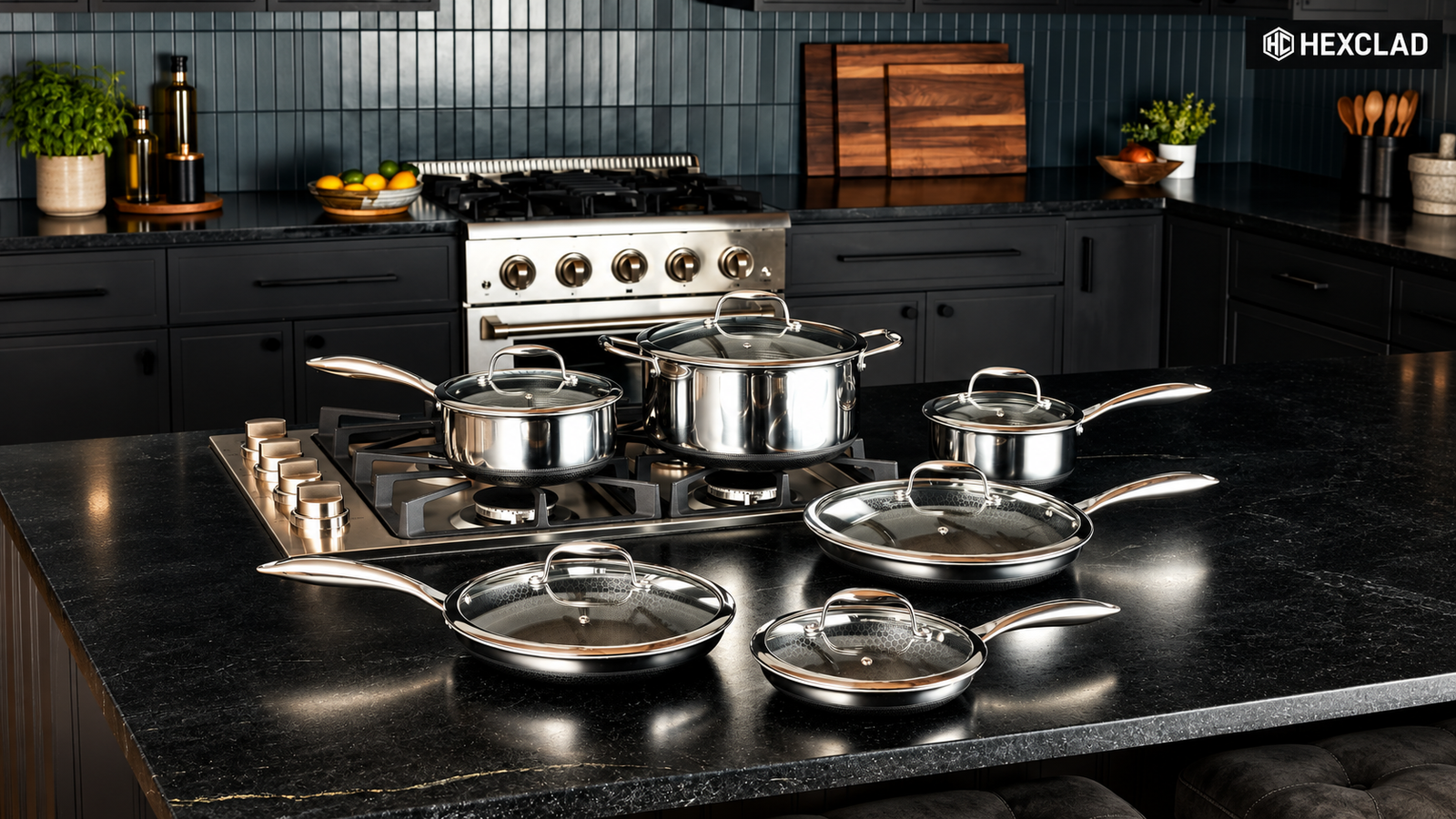
Choosing cookware starts with your cooktop. A pan needs to work with the heat source in your kitchen, whether that’s induction, gas, an electric coil or a smooth glass-ceramic surface. HexClad says its Hybrid cookware is compatible with all four major cooktop types. Its tri-ply construction includes a magnetic stainless-steel layer for induction, an aluminum core for heat distribution and a stainless-steel exterior.
How HexClad cookware works
HexClad Hybrid cookware combines a laser-etched stainless-steel pattern with ceramic nonstick coating in the spaces between the raised steel peaks. HexClad describes this design as a hybrid cooking surface: the steel ridges support searing, while the TerraBond™ ceramic nonstick valleys help with food release and cleanup. The cookware also has tri-ply construction with an aluminum core, which HexClad says helps heat spread quickly and evenly.
The cooktop compatibility comes from the pan’s base as well as its cooking surface. For induction, HexClad cookware has a magnetic stainless-steel layer that allows it to work with the cooktop’s magnetic field. For gas and electric cooktops, the stainless-steel exterior and layered construction let the pan work across those heat sources too. Check the product page for the specific HexClad item you are considering, since cookware and other kitchen products may have different uses.
Using HexClad on an induction cooktop
Induction cooktops heat compatible cookware through a magnetic field, so the pan’s base needs to be magnetic. HexClad’s support information says its cookware includes a magnetic stainless-steel layer and works on induction. The cooktop transfers heat to the pan, rather than heating a flame or coil beneath it.
If you have an induction range, check the cookware size against the cooking zone and follow the cooktop manufacturer’s instructions. HexClad recommends starting at a lower temperature because its design distributes heat efficiently. On induction, the response can feel quick, so gradually adjust the setting as you cook instead of beginning at maximum power. HexClad’s care guidance recommends starting around medium-low and increasing heat only when needed.
Choosing HexClad for gas
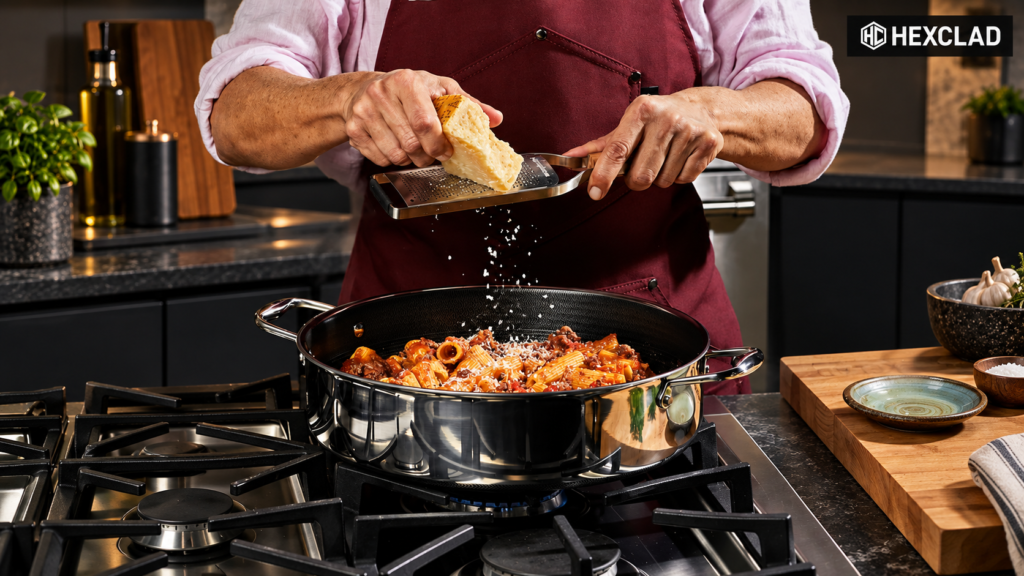
Gas cooktops heat the pan with an open flame, which makes it easy to adjust the heat visually. HexClad cookware is listed as compatible with gas, and its stainless-steel exterior is designed to work across major cooktop types. For day-to-day cooking, use a burner that matches the pan’s base and keep the flame beneath the cooking surface rather than climbing up the sides.
HexClad’s aluminum core helps distribute heat through the pan, while the stainless-steel ridges and ceramic nonstick valleys form its Hybrid cooking surface. The combination can suit different tasks from cooking vegetables to browning meat but the right heat setting still depends on the recipe and pan size. HexClad advises using lower settings for most cooking and reserving higher heat for tasks such as searing.
Using HexClad on electric and glass-ceramic cooktops
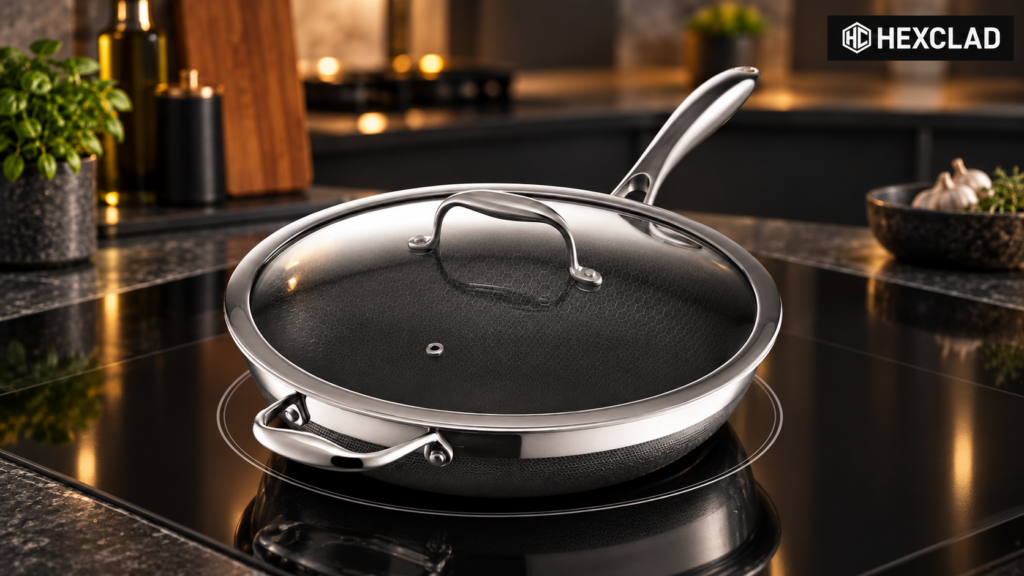
Electric coil and smooth glass-ceramic cooktops heat cookware differently from gas, but HexClad says its cookware is compatible with both. On a smooth surface, the pan’s flat base should sit properly on the cooking zone. HexClad notes that its signature laser-etched pattern is on the cooking surface; the bottom of the pan is designed to remain stable and safe for glass and ceramic cooktops.
To help protect a glass-ceramic surface, follow the range manufacturer’s care instructions and lift cookware when moving it instead of dragging it across the cooktop. Keep the pan base clean and dry before cooking. These general precautions apply alongside HexClad’s product-specific use and care directions.
Match the HexClad pan to your cooking
Once you know your cooktop type, think about what you cook most often. A HexClad fry pan can be useful for everyday meals, while a deeper sauté pan offers room for dishes with sauces or multiple ingredients. A saucepan or stock pot may be a better choice for soups, grains and larger batches. HexClad offers individual pieces and cookware sets, so shoppers can compare sizes and configurations based on their kitchen routines.
Consider the pan’s diameter and the size of your burners or induction zones. A pan that is much wider than the cooking zone may heat less evenly, while a pan that is too small may not make full use of the available area. The product specifications on HexClad’s site list dimensions and capacities to help with comparisons.
HexClad heat and care tips
Before cooking with a new HexClad pan, wash it with warm, soapy water and dry it. HexClad recommends seasoning the cookware before first use: warm the pan on medium-low, spread about a teaspoon of oil over the interior and heat it for two to three minutes. Follow the full instructions for the specific product.
During cooking, begin at a lower setting and increase the heat gradually if the recipe calls for it. HexClad says its pans distribute heat faster than many users may expect, so medium heat with HexClad can produce results similar to medium-high on other cookware. Let the pan cool before washing, and use the care instructions provided by HexClad to maintain its finish and cooking surface.
Choosing HexClad for your kitchen
The right cookware depends on your cooktop, recipes and household size. HexClad Hybrid cookware is designed to work with induction, gas, electric coil and glass-ceramic cooktops, with a magnetic stainless-steel base for induction and an aluminum core intended to distribute heat. Its laser-etched stainless-steel peaks and ceramic nonstick valleys make up the brand’s Hybrid surface.
Before buying, verify that the specific HexClad product suits your cooktop and cooking needs. Compare the pan’s dimensions, review HexClad’s use and care guidance, and follow the instructions for your range. With those details in mind, you can choose HexClad cookware that fits the way you cook.