
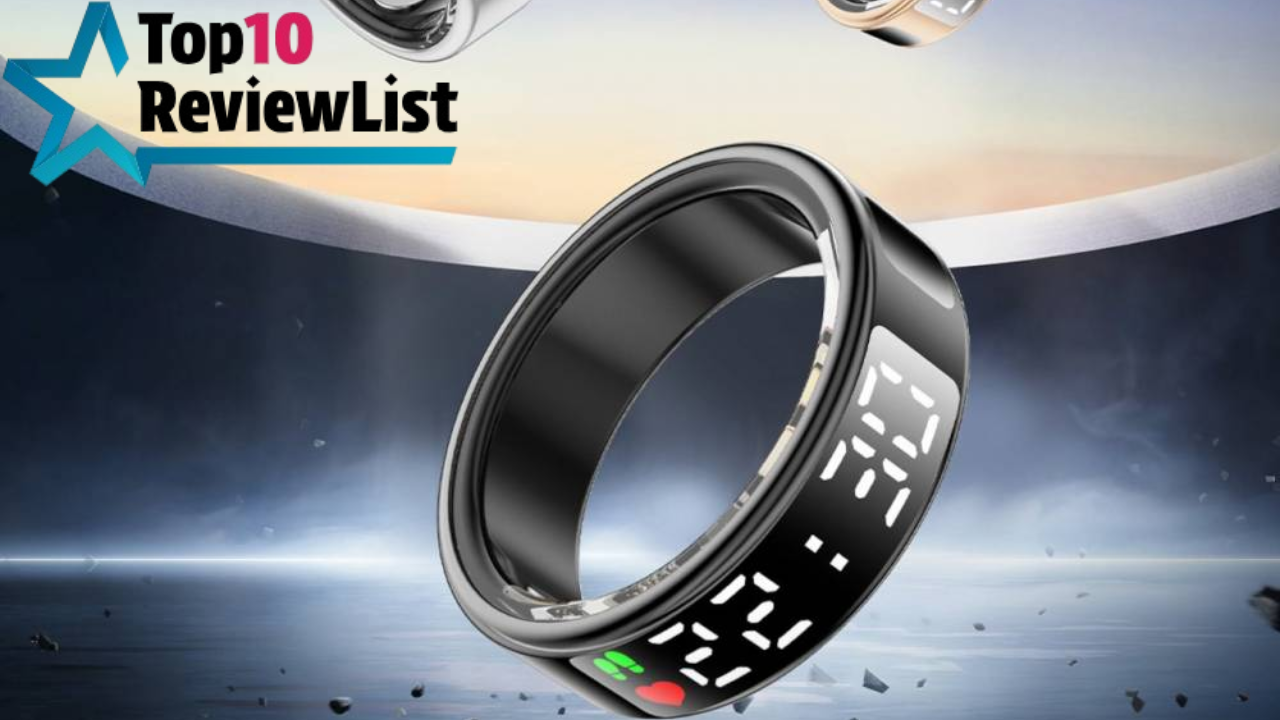
Smart Ring Features, Accuracy & Battery Life
Smart rings have become an increasingly popular category of wearable technology, offering a compact way to monitor activity, sleep, recovery, and other health-related metrics without the size of a smartwatch. Designed to be worn continuously on the finger, these small devices combine sensors, software, and mobile applications to collect information throughout the day and present it in an easy-to-understand format. For people who want health and fitness insights without wearing a traditional watch, smart rings can provide an attractive alternative. However, choosing the right smart ring requires more than looking at its appearance. Features, sensor capabilities, tracking accuracy, comfort, battery life, compatibility, and overall usability all play an important role in determining whether a particular model is worth considering.
The growing interest in smart rings is largely connected to the demand for continuous health and wellness tracking. Unlike many conventional fitness devices that are primarily designed around workouts and movement, smart rings are often positioned as all-day companions. They can collect information while a person is walking, working, exercising, relaxing, or sleeping. This makes them particularly interesting for people who want to understand patterns in their daily routines. Instead of checking a device only during a workout, users can look at broader trends involving sleep, activity, recovery, and general wellness. The result is a more continuous picture of everyday behavior, although users should remember that consumer smart rings are wellness devices and their measurements should not automatically be treated as medical diagnoses.
What Is a Smart Ring?
A smart ring is a wearable electronic device designed to be worn on a finger. Although it resembles an ordinary ring, it contains miniature sensors, processors, wireless connectivity, and a rechargeable battery. Depending on the model, these components can be used to collect information related to movement, sleep, heart activity, skin temperature, blood oxygen-related measurements, and other wellness indicators.
The data collected by the ring is typically transferred to a smartphone application. The application processes the information and turns it into charts, scores, trends, summaries, or recommendations. This software component is just as important as the physical ring because the raw sensor readings are not particularly useful without interpretation. A good smart ring therefore combines comfortable hardware with an intuitive application that helps users understand their information.
One of the biggest advantages of a smart ring is its small size. A smartwatch provides a screen, notifications, apps, GPS features, and many other capabilities, but it can feel relatively large during sleep or certain activities. A smart ring removes the need for a display and focuses primarily on passive data collection. This minimalist design makes it possible for users to wear the device for longer periods without feeling like they are carrying another screen.
Why Health Tracking Matters in Smart Rings
Health tracking is one of the primary reasons people purchase smart rings. The purpose is generally not to replace professional healthcare but to provide information about daily habits and patterns. For example, a user may notice that their sleep duration changes when they exercise late at night or that their activity levels fall during particularly busy work periods.
This type of information can encourage greater awareness. Someone who rarely considers their sleep routine may become more conscious of bedtime consistency after reviewing several weeks of sleep data. Similarly, activity tracking can encourage users to move more throughout the day.
Smart rings can also combine multiple measurements to create broader wellness indicators. Some applications generate scores related to sleep, readiness, recovery, stress, or activity. These scores are intended to simplify large amounts of data into an easy-to-understand summary. However, users should consider them as general wellness guidance rather than definitive measurements of their health.
Key Smart Ring Features to Look For
When comparing smart rings, it is useful to divide features into several categories. These include health sensors, activity tracking, sleep monitoring, recovery insights, connectivity, comfort, durability, app functionality, and battery performance.
Not every smart ring offers the same set of capabilities. Some models focus heavily on sleep and recovery, while others emphasize fitness and activity. Therefore, the best ring depends on what you actually want to monitor.
A person primarily interested in sleep may prioritize comfortable overnight wear and strong sleep analysis. Someone focused on fitness may care more about heart-rate monitoring, workout tracking, movement detection, and compatibility with other fitness platforms. Understanding your priorities before buying can prevent you from paying for features you may never use.
Heart Rate Tracking
Heart-rate monitoring is one of the most common features found in modern smart rings. Optical sensors generally use light to detect changes associated with blood flow and estimate heart rate.
Depending on the device and circumstances, heart-rate data may be collected periodically throughout the day and during sleep. Some rings can also provide more frequent readings during workouts or periods of activity.
Continuous or frequent heart-rate information can help users understand how their body responds to exercise and daily activity. It can also contribute to other wellness calculations, such as recovery or readiness scores.
However, heart-rate accuracy can vary depending on fit, finger position, movement, skin characteristics, sensor quality, and other conditions. A ring that fits too loosely may produce less consistent readings, while excessive movement can also affect optical sensors.
For everyday wellness tracking, heart-rate trends can be useful. For medical decisions or diagnosis, however, professional medical equipment and healthcare advice should take priority.
Sleep Tracking
Sleep tracking is one of the strongest reasons many consumers consider smart rings.
Because rings are small and do not have a bright display, they can be relatively comfortable for overnight use. This makes them suitable for people who dislike sleeping with a larger smartwatch.
Depending on the model, sleep tracking may estimate total sleep duration, bedtime, wake time, sleep stages, nighttime movement, resting heart rate, and other measurements.
Some applications organize this information into a sleep score or summary. Instead of looking at individual readings, users can observe trends across several nights or weeks.
The most useful aspect of sleep tracking is often consistency. One night’s data may not tell you much, but several weeks of information can reveal patterns in sleep duration and schedule.
Users should still understand that consumer sleep trackers estimate sleep stages using sensor data and algorithms. They do not directly measure brain activity in the same way as clinical sleep studies. Therefore, sleep-stage results should be viewed as estimates rather than definitive medical measurements.
Activity and Step Tracking
Smart rings can also monitor daily movement and activity.
Step counting is one of the simplest forms of activity tracking. The ring’s motion sensors detect movement and algorithms estimate the number of steps taken.
Beyond steps, some devices estimate active time, calories burned, distance, or overall activity levels.
These measurements can help users become more aware of how active they are throughout the day. Someone who spends several hours sitting at a desk may discover that their overall movement is lower than expected.
However, step counts and calorie estimates are not perfectly precise. Different devices may produce different results because they use different sensors and algorithms.
Therefore, it is usually more useful to focus on trends from the same device rather than comparing individual numbers across different brands.
Recovery and Readiness Tracking
Recovery tracking is another area where smart rings have gained attention.
Recovery-focused systems may combine information such as sleep, resting heart rate, heart-rate variability, activity, and other measurements to provide an overall indication of how prepared a user may be for another demanding day or workout.
Some platforms refer to this as readiness, recovery, or a similar concept.
The purpose is to encourage users to consider their overall routine rather than focusing only on exercise performance.
For example, a person may complete a hard workout but then have a poor night’s sleep. A recovery-oriented application may encourage lighter activity or additional rest.
These scores are algorithmic interpretations rather than direct measurements of physical readiness. They can be useful as one source of information, but they should not override how you actually feel or replace professional advice.
Skin Temperature Tracking
Some smart rings include temperature sensors that monitor changes in skin temperature.
Rather than functioning like a traditional thermometer, these sensors generally focus on changes from an individual’s baseline.
Tracking changes over time can contribute to sleep, recovery, cycle-related wellness, or general trend analysis, depending on the software.
The usefulness of temperature data depends heavily on consistency. Environmental conditions, room temperature, exercise, illness, and other factors can affect measurements.
As with other smart-ring metrics, users should avoid interpreting a consumer wearable’s temperature readings as a medical diagnosis.
Blood Oxygen-Related Measurements
Some smart rings include sensors designed to estimate blood oxygen saturation.
These sensors generally use optical techniques to estimate oxygen saturation from the blood.
This type of measurement can be useful as part of general wellness tracking, particularly when combined with other information.
However, readings can be affected by movement, fit, circulation, sensor placement, and other factors. The accuracy of consumer devices can also vary significantly between products and situations.
Anyone concerned about a health issue should rely on appropriate medical equipment and professional healthcare advice rather than treating a smart ring as a diagnostic device.
Stress and Wellness Insights
Another increasingly common smart-ring feature is stress or wellness tracking.
These systems may use heart-related measurements, movement, sleep, and other signals to estimate periods of physiological stress or relaxation.
The goal is not necessarily to identify a specific medical condition. Instead, the feature can help users identify patterns.
For example, a user may discover that stressful workdays are associated with shorter sleep or reduced recovery indicators.
Over time, these observations can encourage better lifestyle habits.
The important factor is context. A stress score should not be interpreted in isolation. It is one data point within a broader picture of sleep, activity, environment, and daily routine.
Smart Ring Accuracy: What Should You Expect?
Accuracy is one of the most important considerations when buying a smart ring.
A common mistake is assuming that a more expensive ring automatically produces perfectly accurate measurements. In reality, accuracy depends on multiple factors, including sensor quality, algorithms, fit, finger placement, movement, skin conditions, and the specific measurement being tracked.
Some measurements are easier to estimate than others.
For example, basic movement tracking can be relatively straightforward, while sleep-stage classification is considerably more complex.
Heart-rate measurements during rest may also behave differently from readings during intense exercise.
Therefore, rather than asking whether a smart ring is simply “accurate,” it is better to ask how reliably it performs for the specific features you care about.
Why Ring Fit Affects Accuracy
Fit is extremely important for smart-ring performance.
The sensors need consistent contact with the skin.
If the ring moves excessively, the sensors may not maintain the same position.
A ring that is too tight can be uncomfortable, while one that is too loose may move around during sleep or exercise.
Many manufacturers therefore provide sizing kits or detailed sizing guidance before purchase.
Finger size can also change slightly during the day because of temperature, hydration, activity, and other factors.
The best fit should be secure without being uncomfortable.
Sensor Technology
The sensors inside a smart ring determine what information the device can collect.
Common components may include optical sensors, motion sensors, temperature sensors, and other miniature sensing technologies.
Optical sensors can be used for heart-related measurements and other blood-flow-based estimates.
Accelerometers and gyroscopes can detect movement and orientation.
Temperature sensors can monitor changes in skin temperature.
The combination of sensors allows software algorithms to create a broader understanding of daily activity and wellness.
However, having more sensors does not automatically mean a better product. Sensor quality, placement, software processing, battery efficiency, and application design all contribute to the final user experience.
The Importance of Software
The physical ring is only one part of the product.
The smartphone application is equally important.
A good application should organize complex data into clear charts and understandable summaries.
Instead of showing dozens of confusing measurements, it should help users identify meaningful trends.
Look for an application that offers:
- Clear dashboards
- Historical trends
- Sleep summaries
- Activity information
- Recovery insights
- Customizable notifications
- Data export or integration options
- Easy-to-understand explanations
Software updates are also important because wearable technology can improve over time through algorithm improvements and new features.
Battery Life
Battery life is another major factor when selecting a smart ring.
Because smart rings are designed for continuous wear, frequent charging can become inconvenient.
Battery performance varies by device, sensor usage, software features, temperature, and other conditions.
Some smart rings can operate for several days between charges, while others may require more frequent charging.
When comparing battery claims, remember that manufacturer estimates may be based on particular usage conditions.
Using certain features more frequently can reduce battery life.
For example, intensive tracking, frequent synchronization, and additional sensors may consume more power.
Why Battery Life Matters for Health Tracking
Battery life is particularly important because gaps in data can reduce the usefulness of long-term tracking.
Suppose you are monitoring sleep trends and your ring needs to be removed for charging every night. The device may fail to collect the information you actually want.
A longer battery life reduces this problem.
Some smart rings are designed around charging during short periods when the ring is not being worn, while others require longer charging sessions.
When purchasing, consider how the charging routine fits your lifestyle.
A device with slightly fewer features but significantly better battery convenience may be more practical for some users.
Charging Design
The charging system itself should also be considered.
Some smart rings use compact charging docks or charging cases.
A charging case can be convenient for travel because it may allow users to recharge the ring without carrying a larger accessory.
Other designs use dedicated charging cradles that are better suited for use at home.
Think about where you normally charge your devices.
If you travel frequently, portability may matter more.
If you primarily use the ring at home, a simple charging dock may be sufficient.
Water Resistance and Durability
Because smart rings are intended for continuous use, durability is important.
Users may wear them while washing their hands, exercising, sleeping, or participating in outdoor activities.
Water resistance ratings vary between products, so check the manufacturer’s specifications before exposing a ring to water.
Water resistance also does not necessarily mean that every device is suitable for every type of water exposure.
Temperature extremes, chemicals, impacts, and prolonged exposure can also affect electronic devices.
A durable construction can make a smart ring more practical for everyday wear.
Comfort and Design
A smart ring can have excellent sensors, but if it is uncomfortable, you may stop wearing it.
Comfort should therefore be treated as a major purchasing factor.
Consider the ring’s:
- Weight
- Thickness
- Shape
- Inner sensor arrangement
- Outer finish
- Sizing options
- Overall profile
A ring that feels comfortable during the day may still feel different while sleeping.
Because continuous wear is one of the primary advantages of smart rings, comfort can directly affect the amount of useful data you collect.
Smart Ring Compatibility
Before buying, check whether the ring works with your smartphone and operating system.
Some devices may offer broad compatibility, while others may be designed primarily around particular ecosystems.
Also consider whether the ring can integrate with other health and fitness applications.
If you already use a smartwatch, fitness platform, or health-tracking application, compatibility may influence your decision.
A device that fits smoothly into your existing technology ecosystem can be more convenient than one that requires a completely separate system.
Subscription Costs
Some smart rings offer their main tracking features without an ongoing subscription, while others may place certain advanced insights behind a paid membership.
This can significantly affect the long-term cost.
When comparing products, look beyond the initial purchase price.
Calculate the total cost over several years.
A ring that appears inexpensive initially may become more expensive if important features require a recurring subscription.
On the other hand, a subscription may be worthwhile if it provides advanced analytics, detailed reports, and continuous software improvements that you genuinely value.
Smart Ring vs Smartwatch
Smart rings and smartwatches serve overlapping but different purposes.
A smartwatch typically provides a screen, notifications, apps, workout controls, GPS functionality, and broader interaction capabilities.
A smart ring generally focuses more on passive health and wellness tracking.
For people who want a device that disappears into the background, a ring can be attractive.
For people who want to see messages, control music, navigate, or monitor workouts directly from their wrist, a smartwatch may be more practical.
Some users may even choose to use both.
A smartwatch can handle active interaction and workouts, while a smart ring can provide comfortable overnight and passive tracking.
Who Should Consider a Smart Ring?
Smart rings can be particularly appealing to people who want discreet, continuous wellness tracking.
They may suit users who are interested in:
- Sleep monitoring
- Daily activity
- Recovery trends
- Heart-rate information
- Wellness patterns
- Minimalist wearable technology
- Comfortable overnight tracking
They may be less suitable for people who want a large display, detailed workout controls, standalone navigation, or extensive smartwatch functionality.
The best choice depends on how you intend to use the device.
How to Choose the Right Smart Ring
Start by identifying your primary reason for buying one.
If sleep is your priority, look for strong sleep tracking, comfortable construction, and long battery life.
If fitness is your priority, focus on activity tracking, heart-rate monitoring, workout compatibility, and recovery insights.
If you want general wellness tracking, consider the overall sensor package and the quality of the companion application.
Then consider secondary factors such as design, water resistance, compatibility, charging convenience, subscription requirements, and price.
Do not choose a ring based only on the number of features listed on the product page.
Choose the features that you will actually use.
Common Smart Ring Buying Mistakes
One common mistake is choosing a ring solely because it has many sensors.
More features do not necessarily mean a better experience.
Another mistake is ignoring sizing.
Because smart rings need consistent skin contact, incorrect sizing can affect comfort and tracking performance.
Some buyers also overlook subscription fees.
Always investigate what features are included in the initial purchase and which require additional payments.
Battery life is another frequently overlooked consideration.
A ring that needs frequent charging may become frustrating if you want continuous tracking.
Finally, avoid treating wellness scores as medical diagnoses.
Smart rings can provide useful information about patterns, but they are not a replacement for professional medical evaluation.
How to Get Better Results From a Smart Ring
Once you purchase a smart ring, consistency is important.
Wear it according to the manufacturer’s recommendations.
Keep the sensors clean.
Maintain a suitable fit.
Charge the ring before the battery becomes completely depleted if convenient.
Keep the companion application updated.
Most importantly, look at trends rather than individual readings.
One unusual night of sleep does not necessarily mean something is wrong.
One high or low activity day does not define your overall fitness.
Long-term patterns are generally more useful for lifestyle awareness.
Final Thoughts
Smart rings offer a convenient approach to wearable health and wellness tracking by combining miniature sensors with smartphone-based software. Their small size, discreet design, and ability to collect information throughout the day make them particularly appealing to people who want continuous tracking without wearing a traditional smartwatch.
When choosing a smart ring, features should be considered alongside accuracy, comfort, battery life, software quality, compatibility, durability, and ongoing costs. Heart-rate tracking, sleep monitoring, activity measurement, temperature trends, recovery insights, and other wellness features can provide useful information, but the value of these features depends on how reliably they work and how clearly the accompanying application presents the data.
Accuracy should also be viewed realistically. Consumer smart rings can provide valuable estimates and trends, but no wearable should automatically be considered a substitute for professional medical equipment or healthcare advice. Fit, movement, sensor placement, environmental conditions, and software algorithms can all affect readings.
Battery life deserves equal attention. Since the primary advantage of a smart ring is continuous wear, a device that can operate for several days between charges may be more convenient than one requiring frequent charging. A practical charging system can further improve the experience, especially for travelers and people with busy schedules.
Ultimately, the best smart ring is not necessarily the one with the longest feature list or the most advanced specifications. It is the one that fits comfortably, tracks the information you actually care about, provides understandable insights, works with your devices, and fits naturally into your daily routine.
For buyers in 2026, the smartest approach is to compare health tracking features, sensor capabilities, expected accuracy, battery life, comfort, software experience, compatibility, durability, and total ownership cost before making a decision. By focusing on these factors rather than marketing claims alone, you can choose a smart ring that provides useful long-term wellness insights while remaining practical for everyday use.