
Today, people are becoming increasingly conscious of their health and overall wellness. In the past, fitness tracking often focused mainly on weight, daily steps, or workout duration. Now, users are increasingly interested in understanding their daily activity, sleep, recovery, and body-related trends in greater detail.
This is where Hume Health and similar health and wellness technology platforms can play a role. Hume Health brings together wearable technology, body tracking, and app-based insights to give users a more modern way to monitor and understand their wellness journey.
Rather than simply collecting numbers, the idea is to help users develop greater awareness of their daily habits and wellness-related data, allowing them to monitor patterns and make more informed lifestyle choices.
Hume Health: A Smarter Way to Understand Your Wellness
Hume Health is a health and wellness technology platform that uses connected devices and digital tools to help users understand information related to their body and lifestyle. Its approach focuses not only on collecting data but also on presenting it through trends and insights that can be easier to understand.
Many people set fitness goals but struggle to find a convenient way to consistently measure their progress. Wearable technology can help address this by allowing users to monitor selected data points throughout their daily routine.
Hume Health follows this data-driven wellness approach by combining technology with everyday health and fitness tracking.
How Can Wearable Technology Support Wellness Goals?
One of the key advantages of wearable technology is ongoing tracking. Once a device is worn, users can monitor relevant activity and wellness metrics regularly.
For example, someone may use activity information to better understand how active they are throughout the day. Similarly, sleep-related data can provide a broader view of resting patterns and daily routines.
Over time, this type of tracking may help users identify patterns and become more aware of how their habits change.
However, wearable data should not be treated as medical diagnosis. Such devices are generally designed for wellness and lifestyle tracking. Anyone with specific medical concerns should seek guidance from a qualified healthcare professional.
Hume Health Body Pod
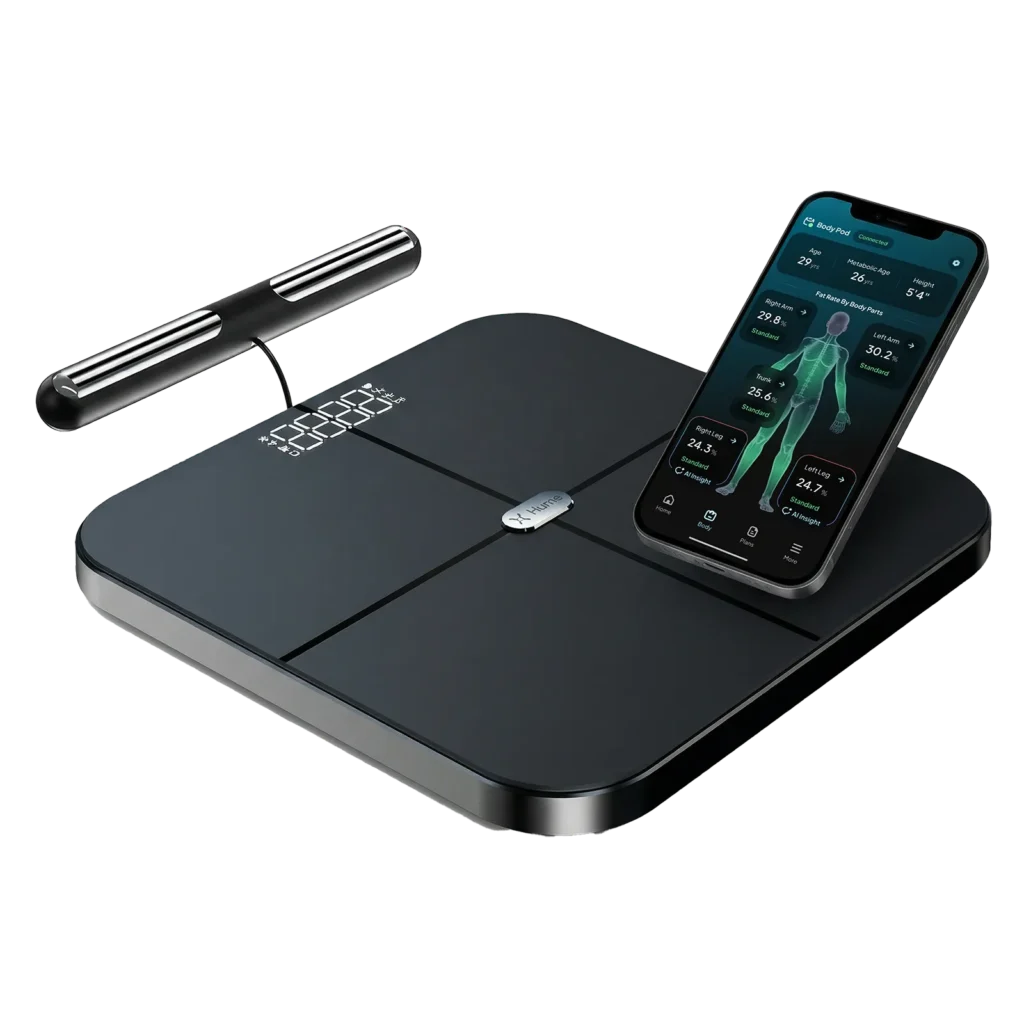
One of the key products within the Hume Health ecosystem is the Hume Body Pod, which is designed to track body composition and related body measurements.
Traditional weighing scales generally provide a basic figure such as body weight. Body composition-focused technology aims to provide a broader view of body-related information.
For fitness and wellness users, looking at longer-term trends can be useful. Instead of focusing on a single measurement, users may be able to observe how certain measurements change alongside their lifestyle and fitness routines.
Body-related metrics should always be viewed in context, as individual readings can be influenced by a variety of factors.
Hume Health Band
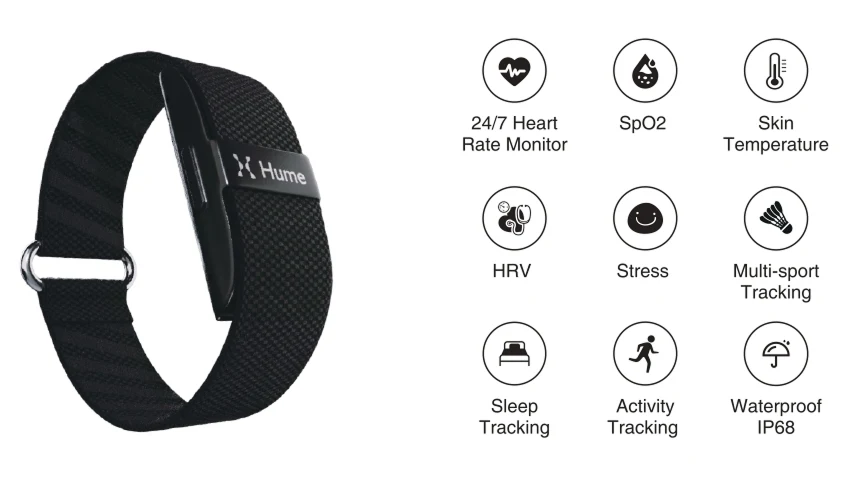
The Hume Health Band is another important part of the wearable experience. It is designed to support monitoring of daily lifestyle and wellness-related activity.
One of the advantages of a wearable band is that it can be used throughout the day as part of a normal routine. This allows users to observe trends related to activity, sleep, recovery, and other wellness indicators over time.
For people who want to monitor their fitness routine in a more structured way, a wearable device can offer a convenient tracking solution.
The Role of the Hume Health App
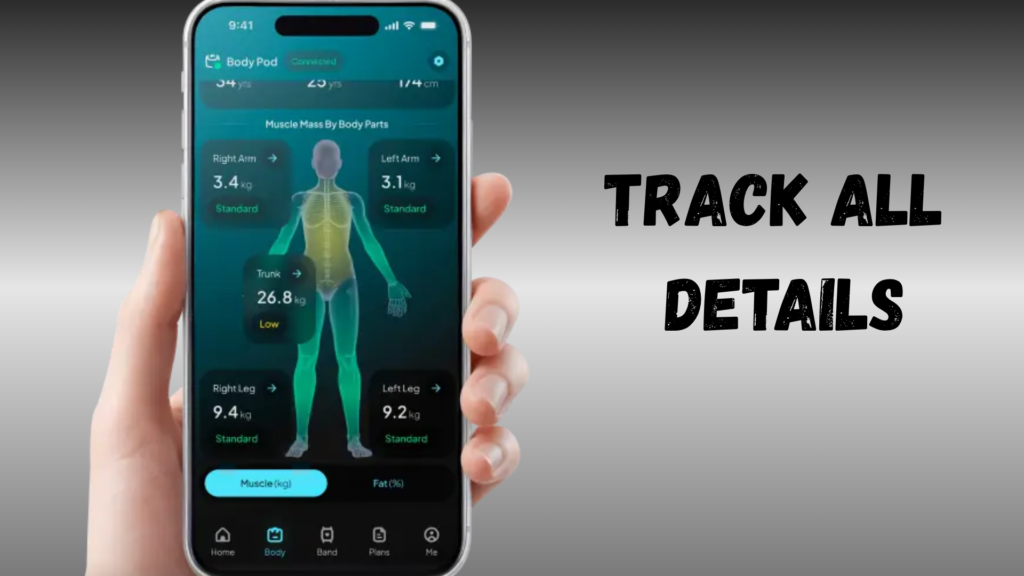
Collecting information through a wearable device is only the first step. Making that information easy to understand is equally important. This is where the Hume Health App becomes an important part of the overall ecosystem.
The app helps organize collected information and allows users to review trends. Users can access different wellness metrics within a centralized digital experience rather than having to manage information across separate platforms.
By comparing information over time, users may gain a better understanding of changes in their routine and activity patterns. This can make health tracking about more than simply viewing individual numbers and instead support broader self-awareness.
Supporting Daily Activity Tracking
Regular movement is an important part of a balanced wellness routine. Wearable technology can give users greater visibility into their daily activity patterns.
For example, if someone notices that their activity level has been lower than usual, they may become more conscious of how much they are moving throughout the day. Consistent tracking can also help some users stay more aware of their personal goals.
The value of a platform such as Hume Health is that users can observe lifestyle patterns through tracked information rather than relying entirely on guesswork.
Understanding Sleep and Recovery
Fitness is not only about exercise. Rest and recovery are also important parts of a balanced wellness routine.
Wearable tracking can provide information related to sleep duration and recovery trends. By reviewing this information over a longer period, users may be able to better understand their sleeping patterns and how they relate to their daily routines.
This can be useful for general wellness awareness, although any concerns relating to sleep or health conditions should be discussed with an appropriate healthcare professional.
The Importance of Body Composition Tracking
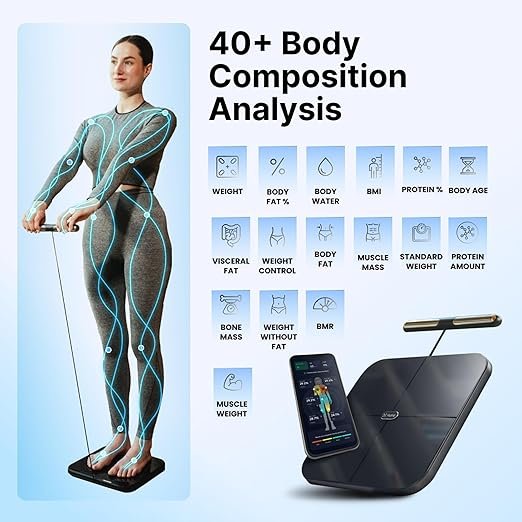
Body weight does not always provide a complete picture. Two people can have the same body weight while having very different body compositions. This is one reason why body composition tracking has become increasingly interesting to fitness-focused users.
Solutions such as the Hume Body Pod are designed to help users view body-related measurements from a broader perspective.
This can be particularly relevant for people who want to monitor more than just weight as part of their fitness journey.
Using Hume Health for Personal Wellness Goals
Everyone has different wellness goals. One person may want to become more active, another may want to stay consistent with exercise, while someone else may be more interested in improving their sleep or recovery routine.
A data-driven ecosystem such as Hume Health can provide tracking and awareness support across these different objectives.
For example, a fitness enthusiast may focus on activity and recovery trends, while another user may pay more attention to sleep and daily movement.
This makes it possible to use technology according to individual goals rather than following a one-size-fits-all approach.
The Benefits of a Data-Driven Lifestyle
When users regularly review their wellness information, they may have a better opportunity to identify patterns in their habits.
Some lifestyle changes are not immediately noticeable. However, when the same information is tracked over weeks or months, gradual changes and trends may become easier to observe.
Hume Health and similar platforms support this long-term tracking approach, helping users develop greater awareness of their lifestyle and wellness habits.
Who Could Benefit From Hume Health?
Fitness Enthusiasts
People who exercise regularly and want to monitor different aspects of their fitness routine may find connected wellness technology useful.
Wellness-Focused Users
Individuals interested in tracking everyday activity, sleep, recovery, and general lifestyle habits may benefit from having these insights in one ecosystem.
Data-Driven Consumers
Some people prefer to use numbers and trends to understand their routines. For these users, ongoing tracking can provide a structured way to review changes over time.
Active Lifestyle Users
People who regularly walk, run, train at the gym, or participate in other physical activities may use wearable technology to better understand their daily activity patterns.
Understanding the Limitations of Wearable Technology
Although wearable technology offers several benefits, it is important to understand its limitations as well. Measurements generated by consumer devices can be estimates and may vary depending on different conditions.
Individual metrics should not automatically be interpreted as medical results. Wearables can support wellness tracking and self-awareness, but they are not a replacement for professional medical testing or healthcare advice.
Users should also pay attention to privacy and data-sharing settings and understand how their health-related information may be stored or used.
Why Consistent Tracking Matters
Long-term information can often be more useful than a single reading. One day of activity data provides only a limited snapshot, while several weeks of tracking can reveal broader patterns and changes.
This is why consistency is an important part of using wearable technology effectively.
Instead of focusing on every small daily variation, users may find it more useful to look at broader trends and realistic progress over time.
How to Include Hume Health in a Wellness Routine
Hume Health does not need to become a complicated part of everyday life. Users can incorporate activity, sleep, recovery, and body-related tracking into their existing routines.
A good starting point is to define a realistic goal and then use the device and app to monitor relevant information over time.
If useful trends begin to appear, users can consider whether adjustments to their activity levels, sleep habits, recovery routines, or broader lifestyle could support their personal goals.
The objective is not perfection. Instead, the focus is on building better awareness and consistency.
Hume Health represents a modern approach to wellness technology by bringing wearable devices, body tracking, and digital insights together in a connected experience. Products such as the Hume Body Pod, Hume Health Band, and Hume Health App can give users opportunities to monitor and understand different aspects of their wellness routine in a more structured way.
As more people look for data-driven ways to manage their fitness and lifestyle goals, wearable technology can serve as a useful tracking tool. The Hume Health ecosystem can help users develop broader awareness around areas such as activity, body-related trends, sleep, and recovery.
The most important point is to view technology as a supporting tool rather than a replacement for a healthy lifestyle. Balanced nutrition, regular physical activity, adequate rest, and professional healthcare guidance where needed remain important parts of overall wellbeing.