
Wearable fitness technology has evolved far beyond simply counting steps and estimating calories. Today, users can choose between traditional fitness trackers designed primarily around activity and workout metrics and more health-focused platforms such as Hume Health, which take a broader approach to understanding everyday wellness.
While both options can help you become more aware of your habits, they differ considerably in the type of information they prioritize. Here’s a point-by-point comparison to help you decide which approach fits your goals.
1. Overall Health Focus
Hume Health:
Hume Health takes a broader approach to personal wellness by bringing multiple health and body metrics together. Its focus is not limited to exercise but extends toward understanding factors that can influence overall health and wellbeing.
Traditional Fitness Trackers:
Most conventional trackers focus heavily on activity, including steps, workouts, calories burned, distance, and basic heart-rate information.
Winner: Hume Health for users looking beyond exercise performance.
2. Body Composition Insights

Hume Health:
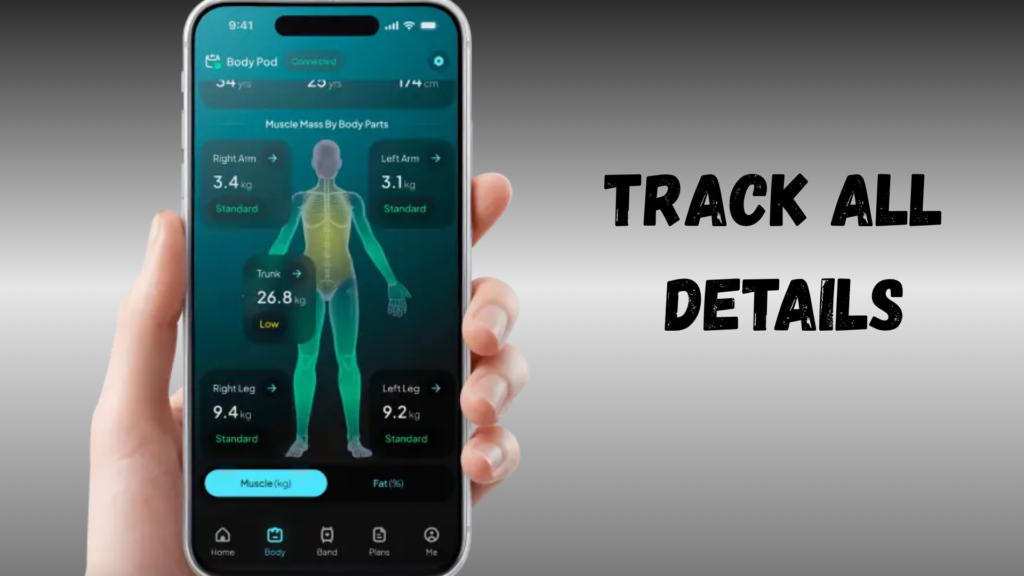
One of the major advantages of Hume Health is its emphasis on body composition. Instead of focusing only on body weight, users can gain a more detailed perspective on metrics associated with body composition and physical health.
This can be particularly useful for people who want to understand changes in their body rather than simply watching the number on a scale.
Traditional Fitness Trackers:
Most traditional fitness bands do not provide extensive body-composition insights. Users may need a separate smart scale or another device.
Winner: Hume Health
3. Understanding Your Progress
Hume Health:
Hume Health can be useful for users who want to monitor broader trends over time. Looking at multiple measurements together can provide more context than relying on a single metric.
For example, someone working toward better fitness may want to consider changes in body composition, activity, recovery, and other wellness indicators rather than focusing exclusively on weight.
Traditional Fitness Trackers:
Traditional trackers are excellent for monitoring straightforward activity goals, such as increasing daily steps or completing a certain number of workouts.
Winner: Hume Health for a broader progress picture.
4. Sleep Tracking
Hume Health:
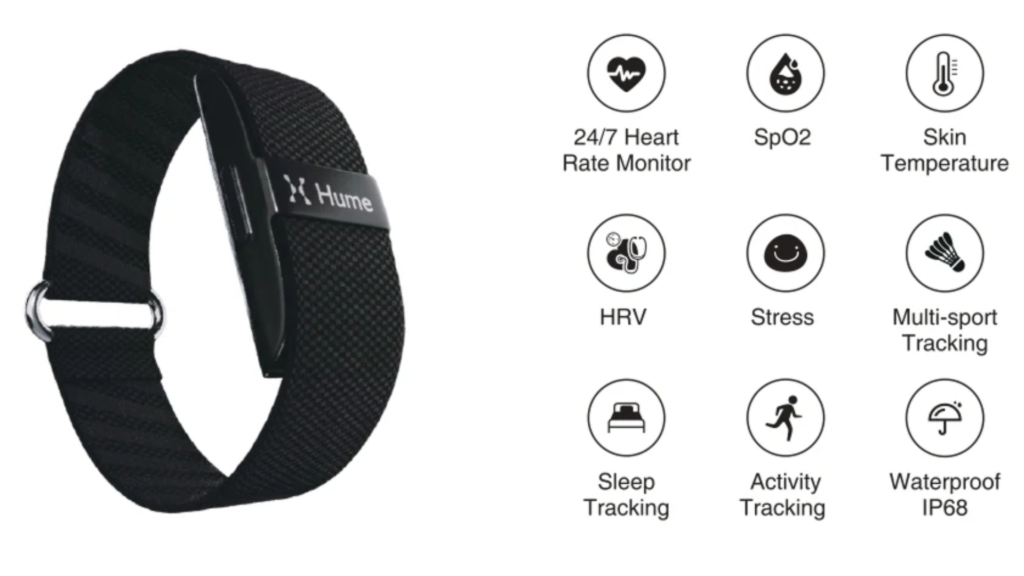
Sleep is an important part of overall wellness, and Hume Health places greater emphasis on connecting lifestyle and recovery-related information with broader health insights.
Traditional Fitness Trackers:
Many established fitness trackers also provide detailed sleep tracking, including sleep duration and different sleep stages, depending on the device.
Winner: Tie, because capabilities vary significantly between devices.
5. Activity and Workout Tracking
Hume Health:
Hume Health can support activity awareness, but its appeal is more centered on the bigger health picture rather than being exclusively a workout-performance device.
Traditional Fitness Trackers:
This is where traditional trackers typically excel. Running, cycling, walking, workouts, distance, pace, heart rate, and exercise-specific statistics are often central features.
Winner: Traditional Fitness Trackers for dedicated athletes and workout enthusiasts.
6. Heart and Recovery Metrics
Hume Health:
Hume Health takes a more holistic approach to health data, helping users look at different indicators together instead of treating exercise as the only measure of progress.
Traditional Fitness Trackers:
Many modern devices provide heart-rate monitoring, resting heart rate, heart-rate variability, and recovery-related information. However, the depth of interpretation varies between brands and models.
Winner: Hume Health for users who prefer a broader wellness perspective.
7. Personalized Health Insights
Hume Health:
Personalization is one of Hume Health’s strongest concepts. Rather than simply presenting numbers, the platform aims to help users understand what their measurements may mean in the context of their broader wellness goals.
This can make health data easier to interpret for people who are not fitness experts.
Traditional Fitness Trackers:
Traditional devices increasingly provide personalized recommendations, but many still emphasize dashboards, statistics, and activity targets.
Winner: Hume Health
8. Weight Management
Hume Health:
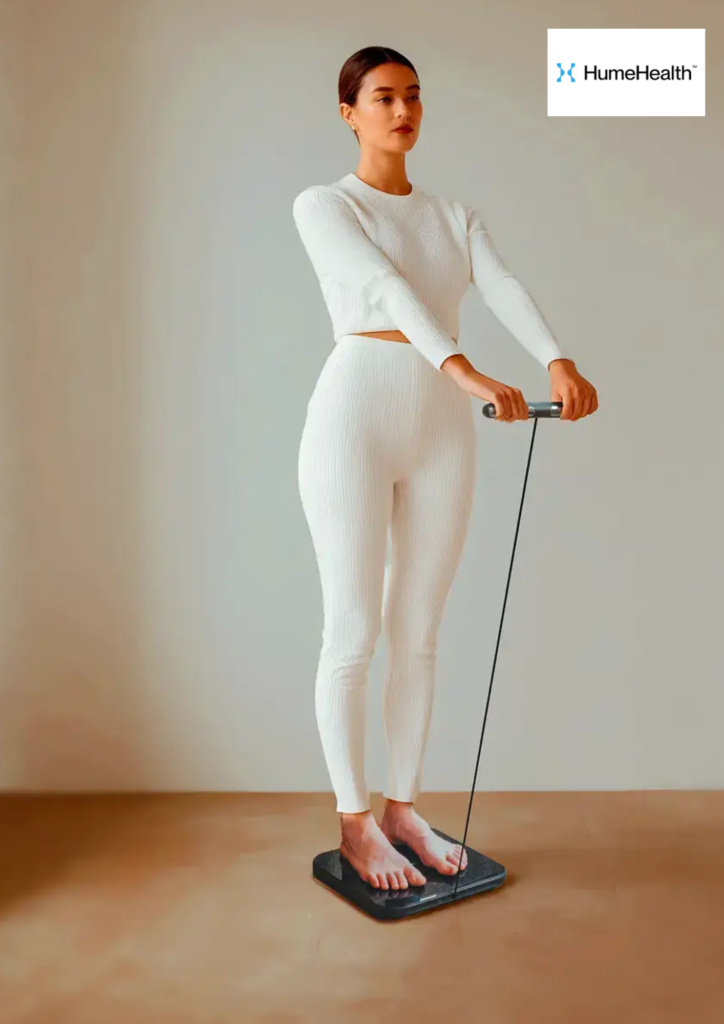
For people interested in weight management, Hume Health can offer a broader perspective by emphasizing body composition and health trends instead of weight alone.
This can help users think about progress in a more comprehensive way.
Traditional Fitness Trackers:
Traditional trackers can help with calorie expenditure, exercise, activity levels, and movement goals, but they may require additional tools for detailed body-composition tracking.
Winner: Hume Health
9. Motivation and Daily Goals
Hume Health:
Hume Health can appeal to users who are motivated by understanding their overall health trends and making gradual lifestyle improvements.
Traditional Fitness Trackers:
Daily step goals, activity rings, workout targets, badges, and reminders make conventional fitness trackers highly effective for users who enjoy simple, measurable goals.
Winner: Traditional Fitness Trackers for straightforward activity motivation.
10. Ease of Understanding Health Data
Hume Health:
Hume Health is particularly appealing if you want your data presented within a broader health context. Instead of looking at individual numbers in isolation, users can focus on overall trends.
Traditional Fitness Trackers:
Traditional trackers can be extremely easy to understand when your goal is simple: steps, calories, distance, or workout duration.
Winner: Hume Health for people interested in deeper health insights.
11. Who Should Choose Hume Health?
Hume Health may be the better choice if you:
- Want to focus on overall wellness rather than exercise alone
- Are interested in body composition
- Want broader insights into your health trends
- Prefer personalized health information
- Are working on long-term lifestyle improvements
- Want to look beyond weight as a measure of progress
- Prefer having multiple wellness metrics considered together
12. Who Should Choose a Traditional Fitness Tracker?
A traditional fitness tracker may be better if you:
- Primarily want to count steps
- Regularly run, cycle, or exercise
- Want detailed workout statistics
- Enjoy daily activity targets
- Prioritize exercise performance
- Want a simple way to monitor movement and workouts
- Prefer a fitness-focused wearable experience
Hume Health vs Traditional Fitness Trackers: Quick Comparison
| Feature | Hume Health | Traditional Fitness Trackers |
|---|---|---|
| Overall wellness | Strong focus | Moderate |
| Body composition | Strong focus | Usually limited |
| Activity tracking | Yes | Excellent |
| Workout tracking | Good | Excellent |
| Sleep insights | Yes | Yes |
| Health trends | Strong | Varies |
| Personalized insights | Strong focus | Varies |
| Weight management | Broader approach | Activity-focused |
| Daily fitness goals | Yes | Excellent |
| Athletic performance | Moderate | Strong |
Final Verdict
The choice between Hume Health and a traditional fitness tracker ultimately depends on what you want to measure.
If your primary goal is steps, workouts, running, cycling, and daily activity, a traditional fitness tracker may be the more practical choice. These devices are excellent for people who want clear and actionable fitness targets.
However, if you want to take a broader approach to personal health, Hume Health stands out for its emphasis on body composition, wellness trends, personalized insights, and looking at multiple aspects of health together.
For someone focused on long-term health awareness rather than fitness performance alone, Hume Health is the more health-oriented option.