
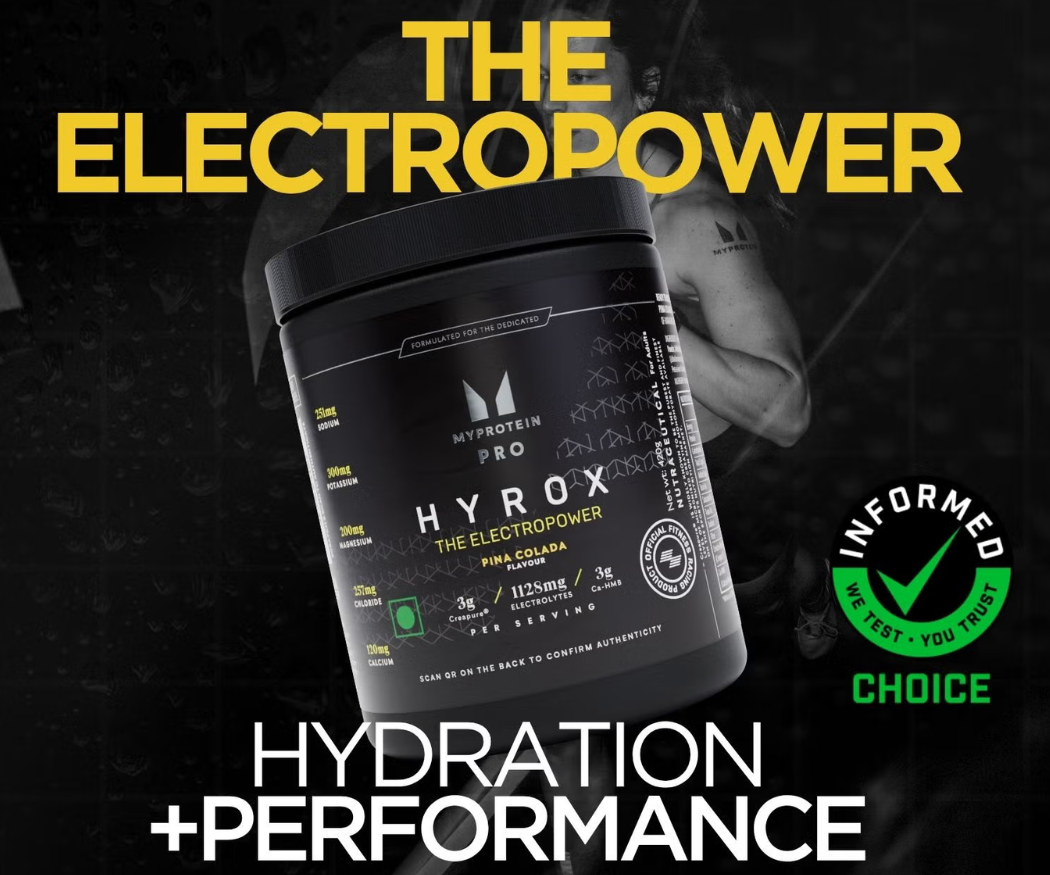
Protein powder has become a popular addition to many fitness and active lifestyles. Whether you are working toward building muscle, improving your workout recovery, or simply finding a convenient way to add more protein to your diet, choosing the right product can make a difference. Myprotein offers a wide selection of protein powders, which means there are options for different dietary preferences, fitness goals, and tastes.
However, having so many choices can also make the decision confusing. Whey protein, whey isolate, casein, plant-based protein, and different flavors all serve slightly different purposes. Understanding these differences can help you choose an option that fits your routine instead of simply selecting the first product you see.
Why Protein Is Important
Protein is an essential nutrient that plays an important role in maintaining and repairing body tissues. It is also particularly relevant to people who exercise regularly because physical activity increases the body’s need to recover and adapt.
Protein powders are not necessarily required to maintain a healthy diet. Many people can get enough protein from foods such as eggs, dairy products, meat, fish, beans, lentils, nuts, and other protein-rich foods. However, protein powder can be convenient when preparing a protein-rich meal or snack isn’t practical.
For example, a protein shake can be easy to prepare after a workout, during a busy workday, or when you’re traveling. This convenience is one of the main reasons products from brands such as Myprotein are popular among fitness enthusiasts.
Whey Protein: A Popular Choice
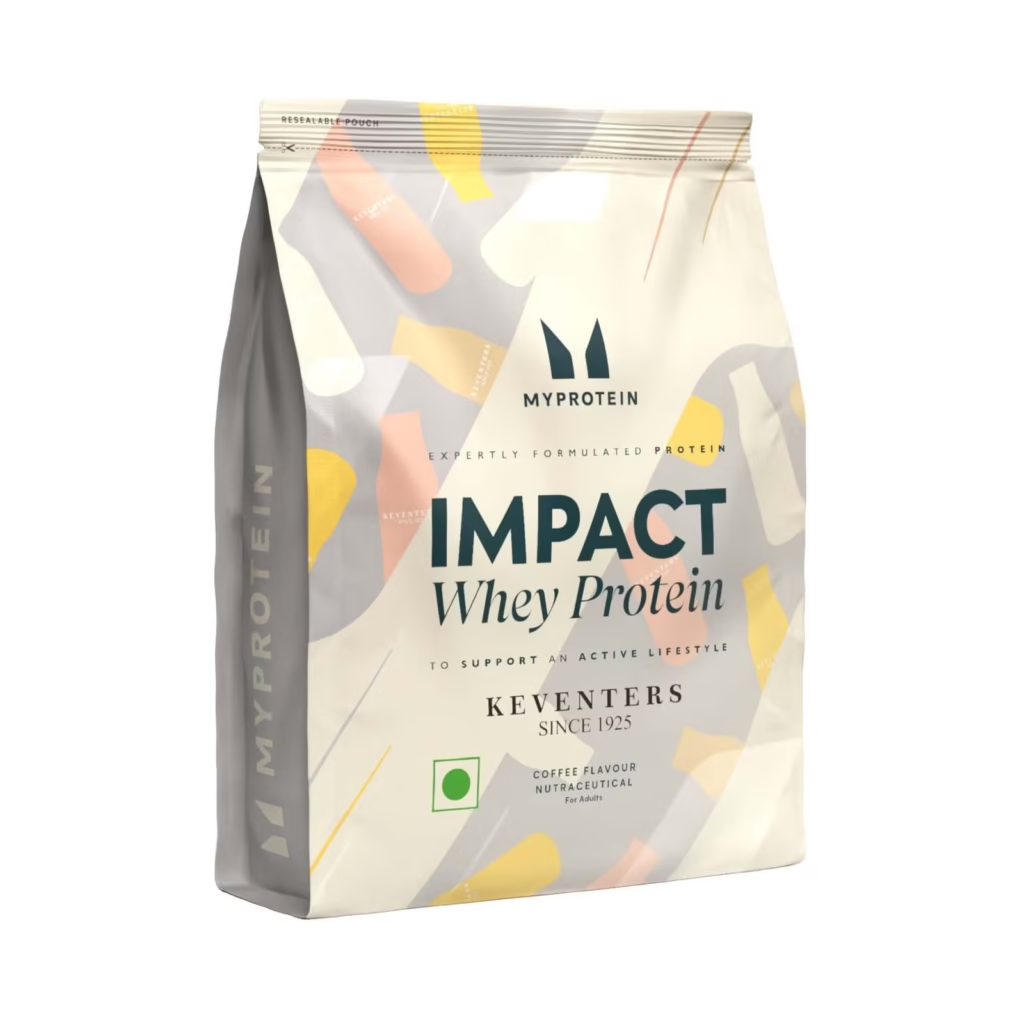
Whey protein is one of the most widely used types of protein powder. It is derived from milk and is considered a complete protein because it contains all nine essential amino acids.
For people who consume dairy and want a versatile protein powder, whey can be a straightforward option. It is commonly mixed with water or milk and can also be added to smoothies, oats, yogurt, and other foods.
Whey protein generally comes in different forms, with whey concentrate being one of the common options. The exact nutritional profile can vary between products, so checking the nutrition label is useful when comparing different choices.
Whey Protein Isolate
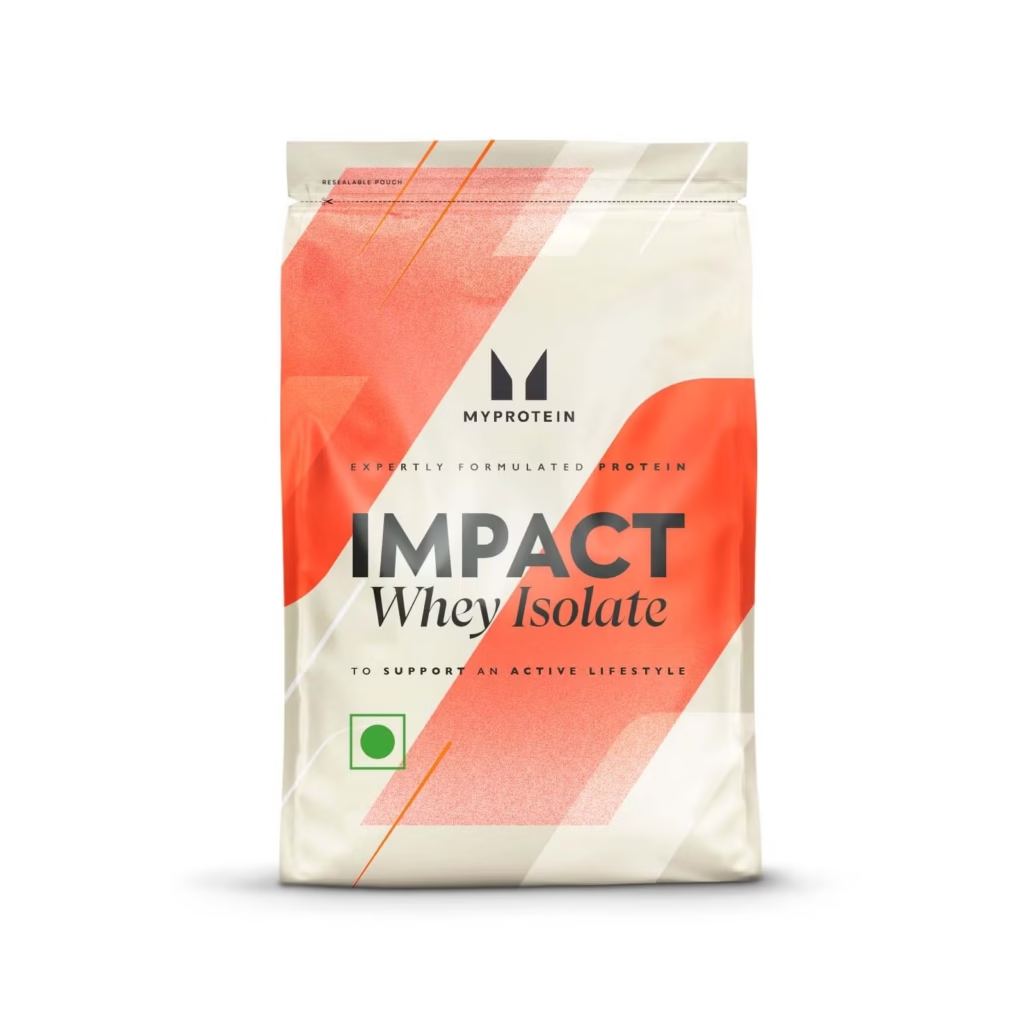
Whey protein isolate is another option for people looking for a whey-based product. It typically undergoes additional processing to remove more of the non-protein components found in whey.
Because of this processing, whey isolate products can contain a higher proportion of protein by weight compared with many whey concentrate products. Some people also prefer isolate because it generally contains less lactose than whey concentrate.
If you are comparing a whey concentrate with an isolate, look beyond the product name. Check the serving size, protein content, carbohydrates, fats, ingredients, and overall nutritional profile to determine which product better fits your needs.
Casein Protein
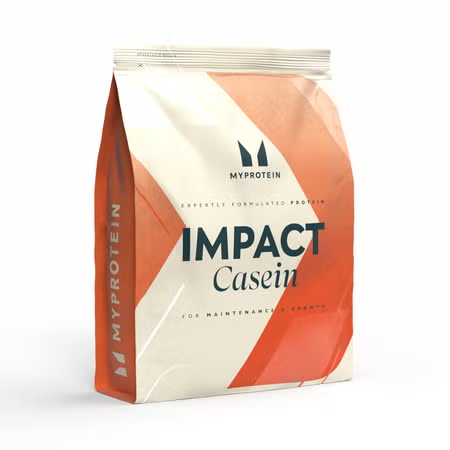
Casein is another milk-derived protein, but it differs from whey in how it is digested. Casein tends to digest more slowly, which can make it appealing to people looking for a protein source that provides a more gradual release of amino acids.
Some fitness enthusiasts choose casein as part of an evening snack or before periods when they won’t be eating for several hours. However, the best time to consume protein depends largely on your overall diet and routine rather than one specific product or timing strategy.
If you enjoy thicker shakes or protein-based desserts, casein can also work well in recipes because of its texture.
Plant-Based Protein
Not everyone wants or can consume dairy-based protein. For people following a vegetarian or vegan lifestyle, or those who prefer plant-based products, Myprotein also offers plant-based protein options.
Plant proteins can be made from sources such as peas, rice, soy, or blends of different plant ingredients. A blend may combine different protein sources to provide a broader amino acid profile.
When choosing plant-based protein, check the ingredient list and nutrition information. Protein content can vary considerably between products, so comparing labels can help you select an option that provides an amount of protein suitable for your diet.
Choosing Based on Your Goal
Your fitness goal is one of the most useful factors to consider when choosing a protein powder.
If your goal is supporting muscle growth, you may want a protein powder that provides a convenient amount of high-quality protein per serving. Whey concentrate, whey isolate, and other complete protein options can all be considered as part of an appropriate diet.
If your focus is general fitness and nutrition, you may not need a highly specialized product. A protein powder you enjoy and can easily incorporate into your meals may be the most practical choice.
For those following a plant-based diet, a suitable plant protein or protein blend can provide a convenient alternative to dairy-based powders.
The important point is that protein powder should complement your overall diet rather than replace a balanced approach to nutrition.
Pay Attention to the Nutrition Label
The product packaging can tell you much more than the flavor or marketing description. Before buying a protein powder, check the nutrition panel.
Look at the protein per serving, serving size, calories, carbohydrates, fats, and ingredients. If you are monitoring your overall calorie intake, these details can help you understand how the product fits into your daily diet.
You should also check for ingredients that may be relevant to you personally, including sweeteners, flavors, allergens, or dairy ingredients.
Two products may both be described as protein powders but have noticeably different nutritional profiles. Reading the label makes comparison easier.
Flavor and Mixability Matter
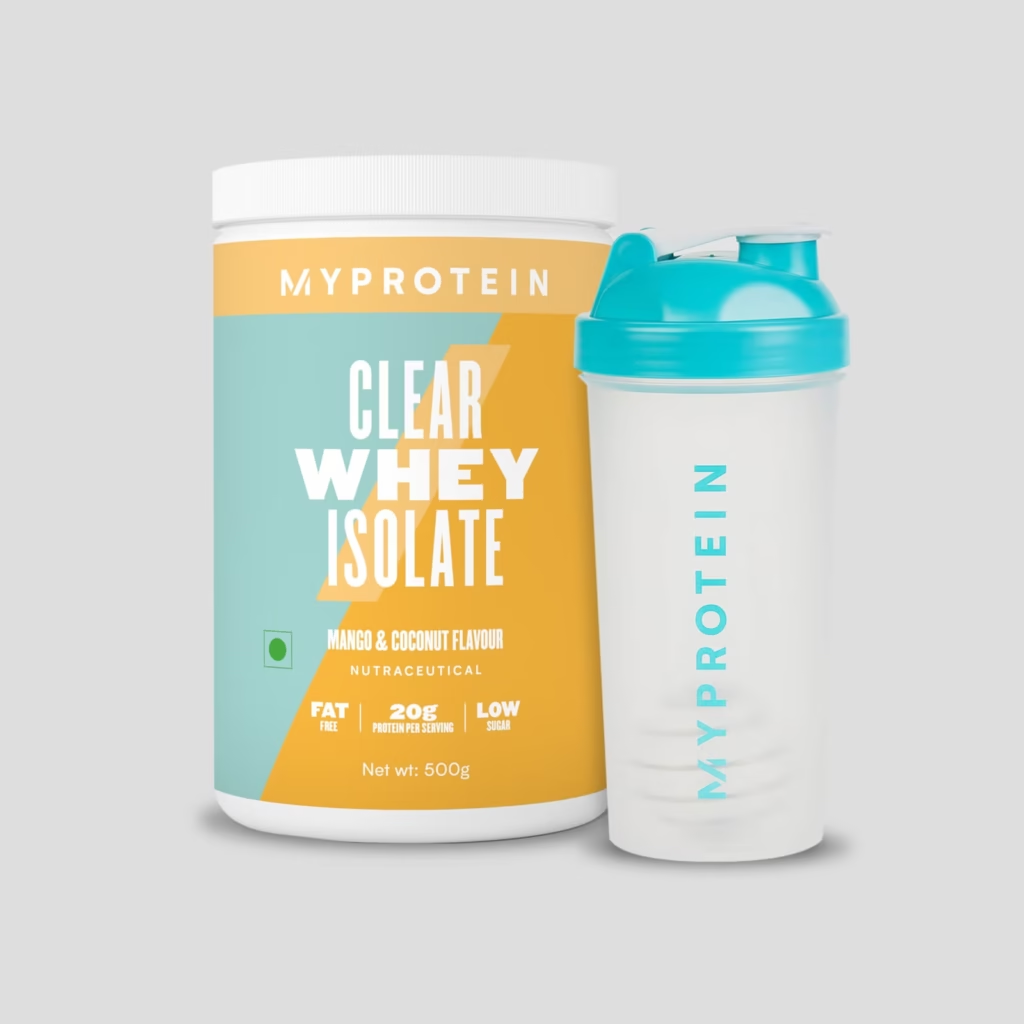
Nutrition is important, but taste and convenience should not be overlooked. If you dislike the flavor of a protein powder, you are less likely to use it consistently.
Myprotein offers a variety of flavors across its protein range, allowing shoppers to choose according to personal preference. Classic flavors such as chocolate, vanilla, Mango and strawberry can be versatile, while more distinctive flavors may be appealing if you want to experiment.
Mixability is another practical consideration. A protein powder that mixes smoothly with water or milk can make preparation easier, particularly when you are using it regularly.
You can also use protein powder creatively. Instead of always making a shake, try mixing it into overnight oats, smoothies, yogurt, pancakes, or other recipes where appropriate.
Consider Your Dietary Requirements
Dietary preferences and restrictions should always be considered before purchasing a protein powder.
People who avoid dairy may prefer plant-based protein, while those with specific allergies should carefully examine ingredient and allergen information. If you have a medically diagnosed food allergy or dietary condition, product labels should be checked carefully and professional advice may be appropriate.
Similarly, if you follow a vegan diet, look for products specifically identified as suitable for your dietary requirements rather than assuming every protein powder is plant-based.
Price and Value
Price is another factor when comparing protein powders. The cheapest tub isn’t necessarily the best value, and a more expensive product isn’t automatically better.
Instead of comparing package prices alone, consider the cost per serving and the amount of protein provided per serving. This gives you a more useful way to compare different products.
Sales, larger packages, and subscription or promotional offers may also affect the overall cost, depending on what is available when you shop.
Final Thoughts
Choosing the right Myprotein protein powder doesn’t have to be complicated. Start by considering your dietary preferences, fitness goals, protein requirements, and budget. From there, compare different types such as whey concentrate, whey isolate, casein, and plant-based protein.
Most importantly, remember that protein powder is a convenient nutritional supplement rather than a replacement for a balanced diet. Whole foods should remain an important part of your overall eating pattern, while protein powder can be used when convenience makes it useful.
Whether you’re new to fitness or already have an established workout routine, taking a few minutes to compare protein sources, nutrition labels, flavors, and serving costs can help you find a Myprotein protein powder that fits naturally into your lifestyle.