
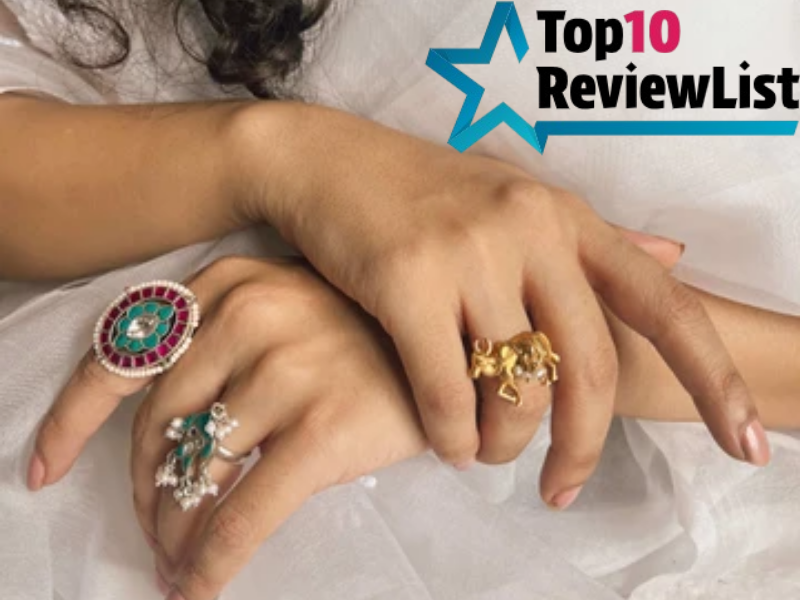
How to Choose the Perfect Jewellery for Your Personal Style
Choosing jewellery can sometimes feel more complicated than choosing clothes. There are countless designs, materials, colours, shapes and styles available, and what looks perfect on one person may not necessarily suit someone else.
The key is not to follow every jewellery trend. Instead, the best jewellery is the jewellery that complements your personality, wardrobe, lifestyle and natural preferences.
Whether you prefer simple and understated pieces or bold statement accessories, understanding your personal style can make jewellery shopping much easier.
This guide explains how to identify your jewellery style, choose pieces that work with your appearance and wardrobe, and build a collection that feels genuinely personal.
Why Personal Style Matters When Choosing Jewellery
Jewellery is one of the most personal accessories you can own.
Clothing can change from day to day, but many people wear their favourite jewellery pieces repeatedly.
This means your jewellery should fit naturally into your lifestyle.
For example, someone who prefers minimalist clothing may feel most comfortable wearing delicate necklaces and small earrings.
Someone with a bold fashion style may prefer statement rings, oversized hoops or layered necklaces.
There is no single correct jewellery style.
The goal is to find pieces that make you feel comfortable and confident.
Step 1: Understand Your Personal Fashion Style
Before choosing jewellery, think about the clothes you already wear.
Look inside your wardrobe and identify the patterns.
Do you usually wear:
- Neutral colours?
- Bright colours?
- Classic clothing?
- Casual outfits?
- Formal clothing?
- Streetwear?
- Feminine styles?
- Minimalist designs?
- Vintage-inspired pieces?
Your answers can help determine the jewellery styles that will naturally complement your wardrobe.
Classic Style
If your wardrobe consists mainly of tailored clothing, neutral colours and timeless pieces, classic jewellery may suit you best.
Consider:
- Pearl-inspired designs
- Simple hoops
- Classic chains
- Elegant bracelets
- Simple rings
Classic jewellery can provide a polished appearance without becoming the main focus of your outfit.
Minimalist Style
Minimalist fashion usually works well with delicate jewellery.
Try:
- Thin necklaces
- Small studs
- Simple bracelets
- Fine rings
- Subtle pendants
You can wear several minimalist pieces together without making your outfit look overly accessorised.
Bold Style
If you enjoy strong colours, unusual silhouettes and statement clothing, consider jewellery that has more visual impact.
Statement earrings, sculptural rings and bold necklaces can complement this type of wardrobe.
Casual Style
For everyday casual outfits, choose versatile jewellery that is comfortable and easy to combine.
Simple hoops, charm bracelets, small pendants and stackable rings can work particularly well.
Step 2: Choose Jewellery According to Your Face Shape
Face shape can be useful when selecting earrings and necklaces.
You do not have to follow strict rules, but understanding proportions can help you identify designs that complement your features.
Round Face
Longer earrings can create the appearance of additional length.
Drop earrings and elongated designs can work particularly well.
Oval Face
People with oval face shapes can generally experiment with a wide range of earring styles.
Hoops, studs, drops and statement designs can all work depending on personal preference.
Square Face
Rounded jewellery can provide contrast to stronger facial angles.
Hoops and curved earrings may create a softer overall appearance.
Heart-Shaped Face
Drop earrings and designs that add visual weight towards the lower part of the earring can complement this face shape.
The Most Important Rule
These are simply styling suggestions.
Personal preference matters more than following a strict formula.
If you love a particular pair of earrings, confidence will usually make a bigger difference than whether they technically match a face-shape guide.
Step 3: Select Jewellery According to Your Neckline
Necklines and necklaces should complement one another.
V-Neck
A pendant or necklace that follows the V shape can work well.
Crew Neck
Shorter necklaces or statement pieces can create visual interest.
Open Neckline
Layered necklaces can work particularly well with open necklines.
High Neck
Longer pendants can provide contrast.
Strapless or Off-Shoulder
Short necklaces or statement earrings can highlight the neckline.
The goal is balance.
If your clothing already has a detailed neckline, a simpler necklace may work better.
Step 4: Understand Jewellery Metals
The metal colour you choose can significantly influence your overall appearance.
The three most common jewellery tones are:
- Yellow gold
- Silver
- Rose gold
Yellow Gold
Gold creates a warm, traditional and luxurious appearance.
It can work particularly well with warm colours such as:
- Brown
- Beige
- Red
- Orange
- Olive
- Cream
Silver
Silver creates a cooler and more understated appearance.
It pairs naturally with:
- Black
- White
- Grey
- Blue
- Cool pastels
Rose Gold
Rose gold has a softer, warmer appearance.
It can work well with feminine and pastel colour palettes.
Can You Mix Metals?
Absolutely.
Mixed-metal styling is increasingly popular because it creates a contemporary look.
You can combine gold and silver through a mixed-metal bracelet or by wearing different metal tones across your rings, earrings and necklaces.
Step 5: Think About Your Skin Tone
Skin tone can provide another useful reference when selecting jewellery.
People often describe undertones as warm, cool or neutral.
Warm Undertones
Gold and warmer metallic tones can complement warm undertones.
Cool Undertones
Silver and cooler metallic finishes may complement cool undertones.
Neutral Undertones
People with neutral undertones can often experiment with both gold and silver.
However, this should be treated as guidance rather than a strict rule.
The jewellery colour you personally enjoy wearing is always important.
Step 6: Choose Jewellery According to Your Lifestyle
Your daily routine should influence your jewellery choices.
If you work in an office environment, delicate and professional jewellery may be practical.
If you work outdoors or have an active lifestyle, smaller and secure pieces may be more convenient.
If you frequently attend events, you may want a collection of statement pieces for special occasions.
Everyday Jewellery
Consider:
- Small earrings
- Simple necklaces
- Classic bracelets
- Stackable rings
Work Jewellery
Choose pieces that are polished but not distracting.
Evening Jewellery
This is where you can experiment with:
- Statement earrings
- Layered necklaces
- Bold rings
- Decorative bracelets
Step 7: Match Jewellery to Your Personality
Jewellery can communicate personality.
The Romantic
You may prefer:
- Heart designs
- Delicate necklaces
- Soft shapes
- Personalised jewellery
The Adventurer
You might enjoy:
- Travel-inspired charms
- Nature designs
- Symbolic pieces
- Layered jewellery
The Minimalist
Try:
- Small studs
- Fine chains
- Simple rings
- Understated bracelets
The Trendsetter
Experiment with:
- Sculptural designs
- Mixed metals
- Oversized earrings
- Unusual shapes
The Sentimental Person
Personalised jewellery and meaningful charms can be particularly appealing.
Step 8: Consider the Occasion
Different jewellery works for different situations.
Everyday
Choose comfortable, versatile pieces.
Date Night
A delicate necklace or statement earrings can add sophistication.
Wedding Guest
Elegant earrings, bracelets or coordinated jewellery can complement formal clothing.
Office
Keep the styling polished and relatively understated.
Party
This is an opportunity to experiment with stronger designs.
Special Celebration
Consider personalised or symbolic jewellery that connects with the occasion.
Step 9: Build a Jewellery Capsule Collection
You do not need dozens of pieces to have a versatile jewellery wardrobe.
A jewellery capsule collection could include:
1. Everyday Earrings
A pair that works with most outfits.
2. Simple Necklace
A versatile chain or pendant.
3. Classic Bracelet
Something that can be worn alone or layered.
4. Everyday Ring
A simple piece suitable for regular wear.
5. Statement Piece
A bold necklace or pair of earrings for special occasions.
6. Personal Piece
A charm, engraved item, birthstone or other meaningful accessory.
With these basic pieces, you can create many different combinations.
Step 10: Learn How to Layer Jewellery
Layering allows you to create a more personalised look.
Necklace Layering
Use different chain lengths.
For example:
- Short chain
- Medium pendant
- Longer necklace
Ring Stacking
Combine rings with different widths and textures.
Bracelet Stacking
Wear two or three complementary bracelets together.
The key is to maintain some consistency.
You can connect the pieces through colour, material, shape or design.
Step 11: Consider Personalised Jewellery
Personalisation is particularly useful when you want jewellery to feel unique.
Popular options include:
- Initials
- Names
- Birthstones
- Dates
- Engravings
- Symbols
- Zodiac designs
Personalised jewellery can also make a thoughtful gift.
For example, an engraved bracelet can commemorate an anniversary, while an initial necklace can make a simple everyday accessory feel more individual.
Step 12: Choose Jewellery That Works With Your Wardrobe
Before buying a new piece, think about at least three outfits you could wear it with.
If you cannot imagine how the jewellery would work with your existing clothes, it may not be the most practical purchase.
Neutral jewellery often offers greater versatility.
However, statement pieces can add value if your wardrobe is relatively simple.
A bold necklace can transform a basic outfit, making one accessory useful across several occasions.
Step 13: Quality Matters
Style is important, but quality should not be overlooked.
Before buying jewellery, consider:
- Materials
- Construction
- Finish
- Clasp quality
- Product-care requirements
- Brand reputation
- Warranty information
- Return policy
If you are purchasing online, read the product description carefully.
Do not rely solely on photographs.
Step 14: Think About Jewellery Care
Even high-quality jewellery requires proper care.
Avoid unnecessary exposure to:
- Perfume
- Cosmetics
- Chemicals
- Chlorine
- Excessive moisture
- Rough surfaces
When jewellery is not being worn, store it carefully.
Keeping pieces separated can help prevent scratches and tangling.
Always follow the specific care instructions supplied by the jewellery brand.
How to Know When a Jewellery Piece Is Right for You
Before buying, ask yourself:
Does it match my existing wardrobe?
Can I wear it on multiple occasions?
Does the size feel comfortable?
Do I genuinely like the design?
Will I still want to wear it after the current trend changes?
Does it reflect my personality?
If most answers are yes, the piece is likely to be a good addition to your collection.
Common Jewellery Shopping Mistakes
Buying Only Because Something Is Trending
Trends can be temporary.
Choose pieces that genuinely suit you.
Ignoring Comfort
A beautiful accessory is not useful if you cannot comfortably wear it.
Buying the Wrong Size
This is particularly important for rings and bracelets.
Buying Without Checking Materials
Always read product specifications.
Choosing Something That Does Not Match Your Wardrobe
Consider how often you can realistically wear the piece.
Jewellery Is About Personal Expression
There are countless jewellery guides explaining what you “should” wear.
But personal style does not have to follow strict rules.
If you prefer silver jewellery, wear silver.
If you love gold, choose gold.
If you enjoy mixing metals, experiment with them.
If you prefer minimal designs, there is no need to wear statement pieces simply because they are fashionable.
The purpose of jewellery is to complement your personality rather than replace it.
Final Thoughts
Choosing the perfect jewellery becomes much easier once you understand your personal style.
Start with your wardrobe, lifestyle and existing jewellery collection. Then consider factors such as face shape, neckline, metal tone, occasion and comfort.
Build your collection gradually rather than purchasing everything at once.
A small collection of versatile pieces can often provide more value than a large collection of accessories that you rarely wear.
Whether you prefer minimalist necklaces, classic bracelets, meaningful charms, statement earrings or personalised rings, the best jewellery is ultimately the jewellery that feels like you.
Fashion trends may change every season, but personal style has much greater longevity.
Choose jewellery that makes you feel confident, comfortable and authentic—and you will be far more likely to enjoy wearing it for years to come.
Editorial Note: Product availability, pricing, materials, care instructions and purchasing policies vary by brand and market. Always review the latest information provided by the relevant jewellery retailer before making a purchase.