
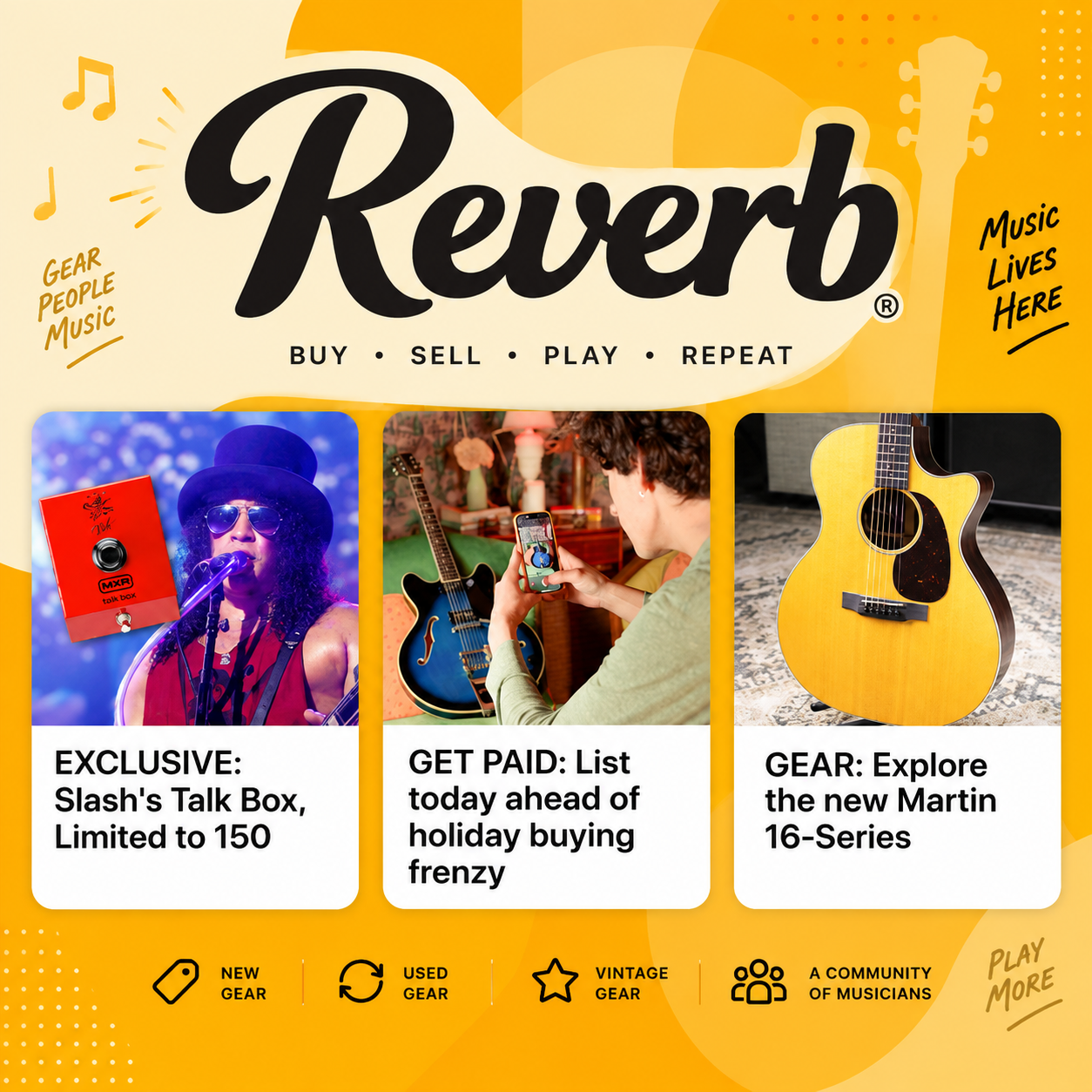
Whether you are searching for your first guitar, upgrading a home studio, building a pedalboard, or hunting for a vintage instrument, Reverb gives musicians a huge marketplace to explore. With new, used, and vintage music gear available across multiple categories, Reverb is designed around the way musicians actually shop for equipment.
From electric and acoustic guitars to basses, amplifiers, effects pedals, synthesisers, keyboards, drums, DJ equipment, and professional audio gear, Reverb musical instruments cover a wide range of playing and recording needs. Reverb currently organises its marketplace around categories including Guitars & Basses, Effects & Pedals, Pro Audio & Recording, Drums & Percussion, Amps, Synthesisers & Keyboards, and Band & Orchestra & Folk.
Why Buy Musical Instruments on Reverb?
One of the biggest reasons musicians turn to Reverb is the variety of gear available in one marketplace. Instead of limiting your search to brand-new equipment, you can compare current models with used instruments, discontinued products, and vintage gear.
For guitarists, Reverb offers everything from electric and acoustic guitars to basses, amps, effects, and accessories. Keyboard players can explore synthesizers, keyboards, controllers, and other electronic instruments, while producers can browse microphones, audio interfaces, studio equipment, and recording gear.
Reverb also provides dedicated buying guides covering guitars and basses, effects and pedals, pro audio, drums, amps, synthesizers, and other instruments. These resources can make it easier to understand different equipment categories before making a purchase.
Buying New Musical Instruments on Reverb
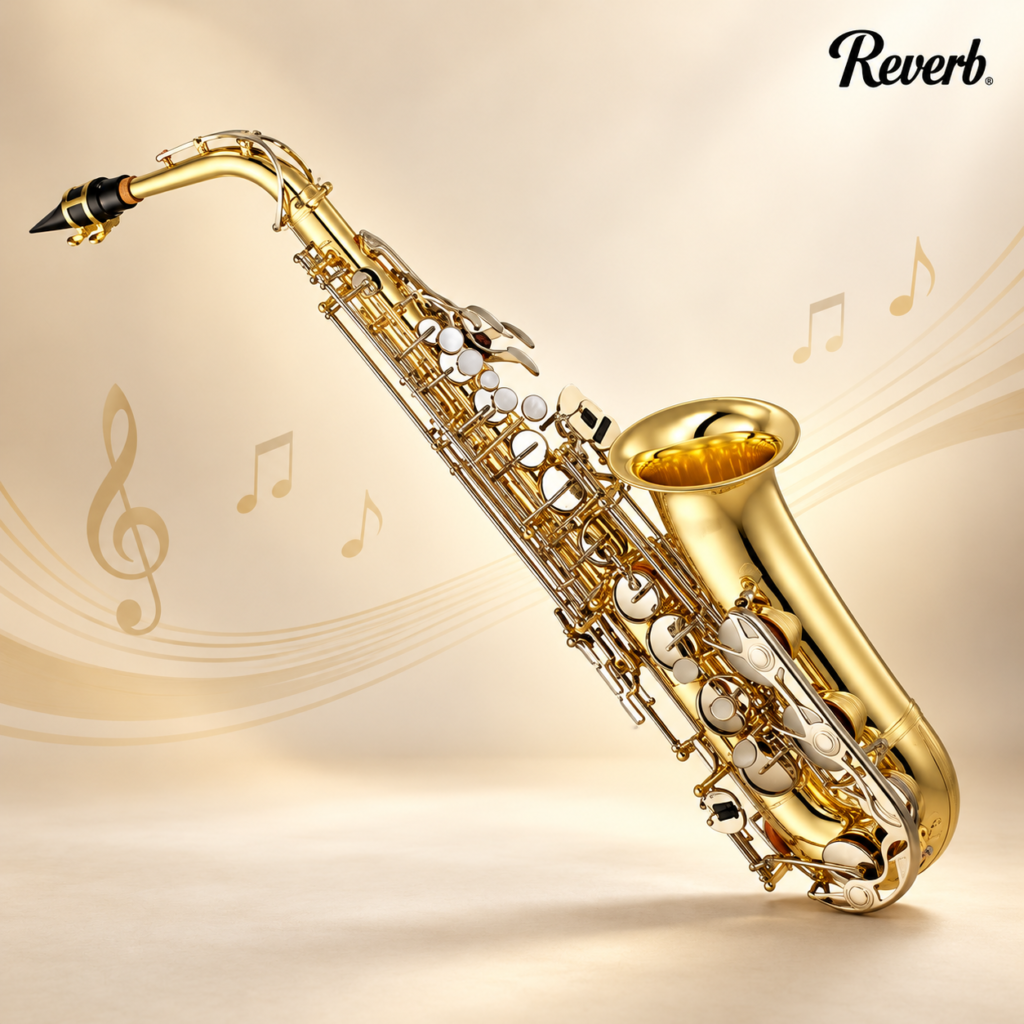
If you want the latest version of an instrument, Reverb has plenty of new music gear to explore.
When shopping for a new instrument on Reverb, don’t focus only on the listed price. Consider the specifications, construction, features, included accessories, seller information, and how the instrument fits your current setup.
For example, a guitarist searching Reverb for a new electric guitar can compare different body styles, pickup configurations, neck profiles, and hardware. An electronic musician might instead explore synthesizers, MIDI controllers, or keyboards based on workflow and connectivity.
Using specific search terms such as the exact brand and model can also make it easier to compare similar listings on Reverb.
Buying Used Music Gear on Reverb
One of the major attractions of Reverb used gear is the opportunity to discover instruments and equipment that have already been played but may still be highly useful.
However, buying used equipment requires closer attention to condition.
When browsing used guitars on Reverb, examine the photographs and listing details carefully. Check the body, neck, fretboard, frets, electronics, pickups, bridge, tuners, and other hardware. For keyboards and electronic equipment, pay attention to buttons, knobs, displays, connections, keys, and any signs of damage or wear.
Reverb’s buying guides also highlight used gear as an important part of the marketplace. For example, its acoustic guitar guide notes that used guitars can be worth considering for buyers looking for value and that used instruments can sometimes be resold later.
Finding Vintage Musical Instruments on Reverb
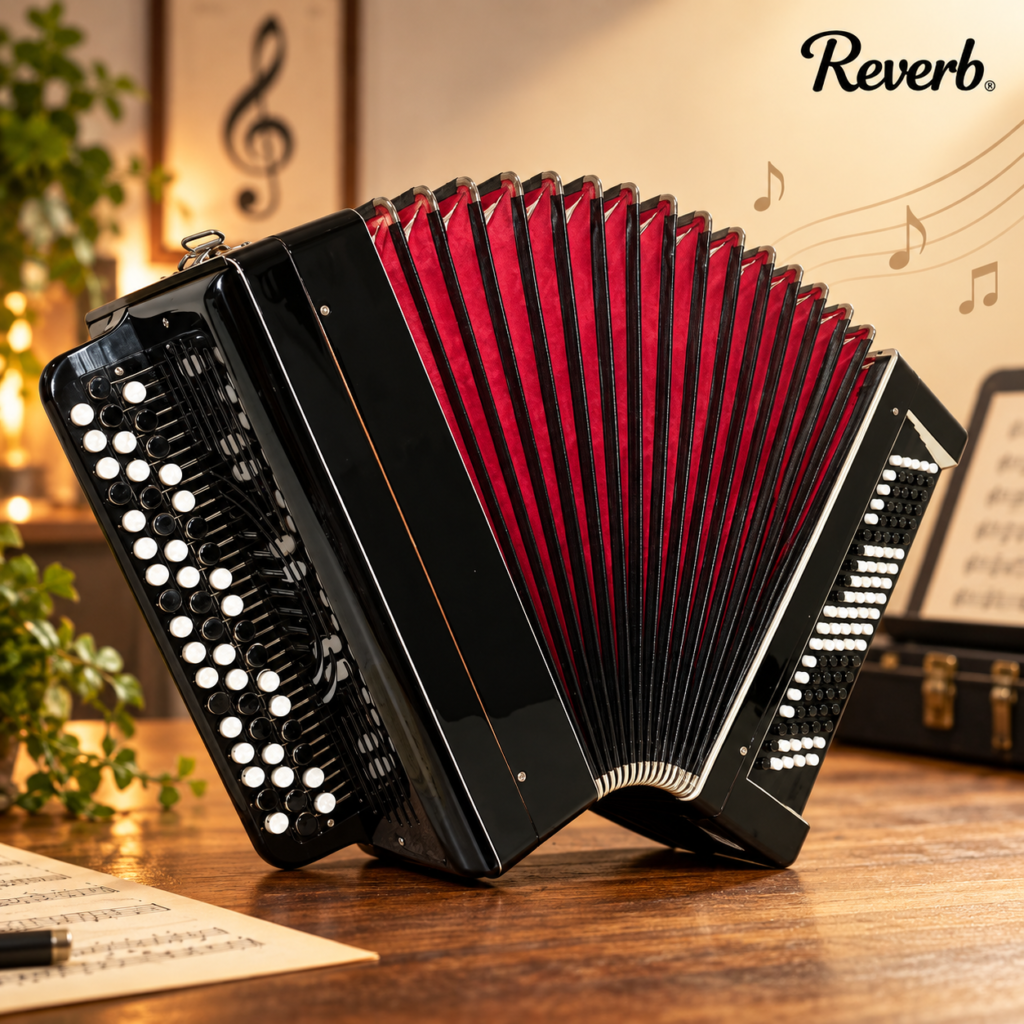
For musicians interested in older and collectible equipment, Reverb vintage gear can be particularly interesting.
Vintage guitars, amplifiers, synthesizers, pedals, microphones, and other instruments can offer distinctive designs and sounds that are difficult to replicate with newer equipment.
However, vintage does not automatically mean more valuable. When looking at a vintage instrument on Reverb, consider its year, condition, originality, modifications, rarity, brand, model, and included components.
Two instruments from the same era can have very different values depending on their condition and history. That’s why researching the exact model before buying vintage gear on Reverb is important.
Finding the Right Guitar on Reverb
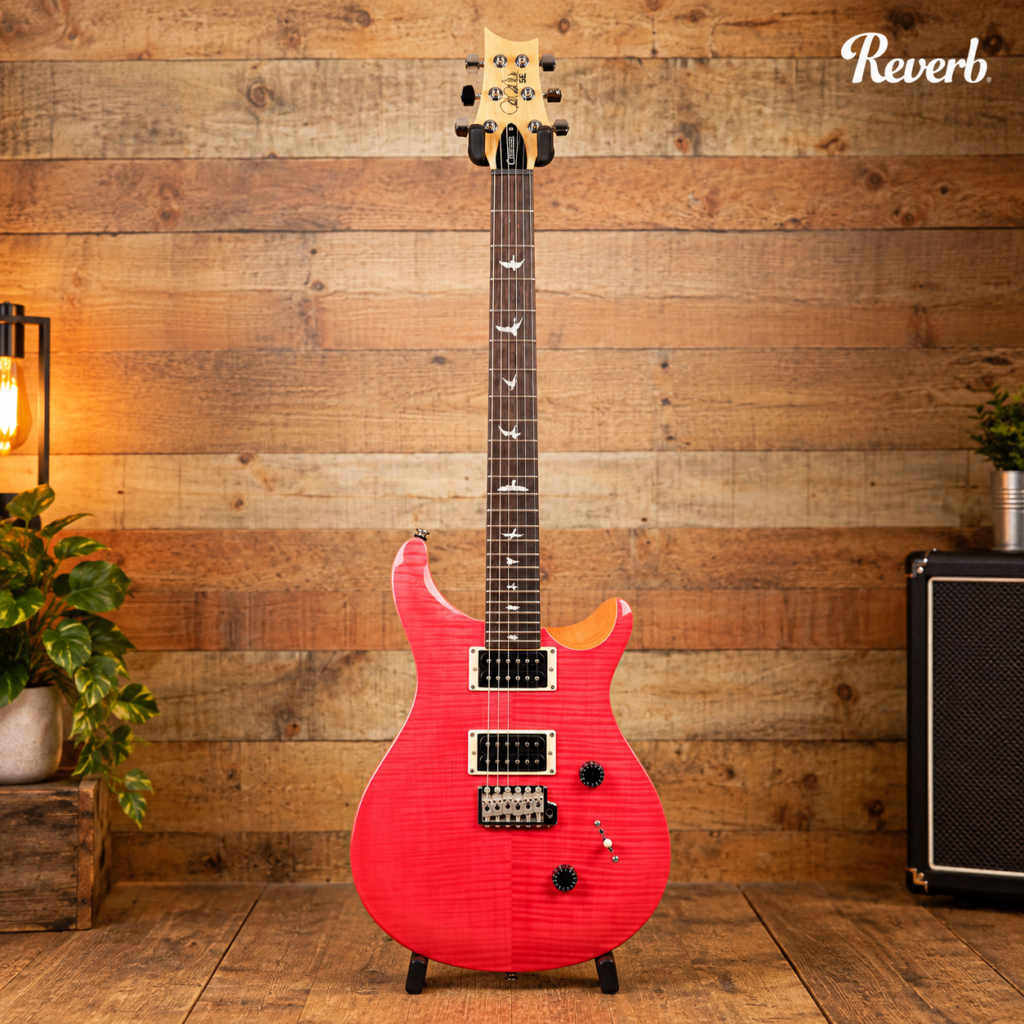
Guitars are one of the most popular categories on Reverb, with options for beginners, working musicians, collectors, and studio players.
If you’re shopping for an acoustic guitar on Reverb, think about body style, string type, neck feel, construction, electronics, and the kind of music you want to play. Reverb’s acoustic guitar buying guide highlights styles including dreadnought, travel, orchestra, and nylon-string guitars.
For electric guitars, consider the pickup configuration, scale length, neck profile, bridge, body design, and overall playing style.
If you’re buying your first guitar through Reverb, the most important factor is choosing an instrument that feels comfortable and encourages you to keep playing.
Build a Guitar Setup with Reverb Effects and Pedals
A guitar setup is about more than the guitar itself. Reverb effects and pedals can completely change the character of an instrument.
The Reverb marketplace currently includes categories such as overdrive, distortion, fuzz, delay, chorus, vibrato, compression, tremolo, octave, loop pedals, EQ, amp simulators, and reverb pedals.
Reverb also has dedicated guides for choosing effects. Its reverb pedal guide, for example, covers true spring reverb, spring emulators, multi-mode reverb, ambient reverb, and more versatile multi-mode options.
When building a pedalboard on Reverb, think about the sound you’re trying to create rather than simply collecting popular pedals. A basic setup might include tuning, gain, delay, and reverb, while an experimental setup may include modulation, looping, pitch effects, and ambient pedals.
Explore Keyboards and Synthesizers on Reverb
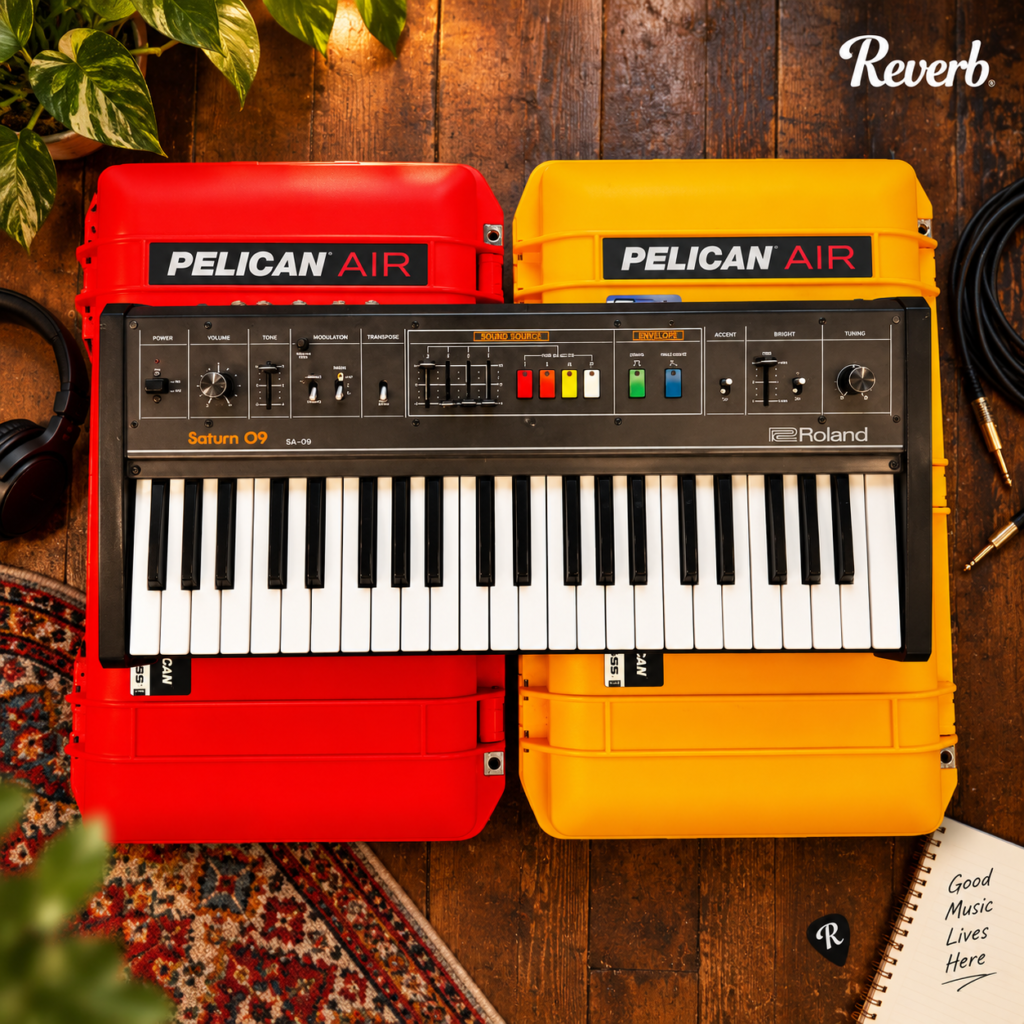
For electronic musicians and producers, Reverb keyboards and synthesizers provide another major area to explore.
Reverb’s current buying-guide structure includes synthesizers and keyboards, with guides covering monosynths, polysynths, controllers, and related equipment.
When shopping for a synthesizer on Reverb, consider whether you need analog or digital synthesis, how many voices you require, the available controls, connectivity, size, and how the instrument will fit into your studio.
Used and vintage synthesizers can also be worth exploring if you’re looking for older designs or particular sounds.
Shop Drums, Amps and Pro Audio on Reverb
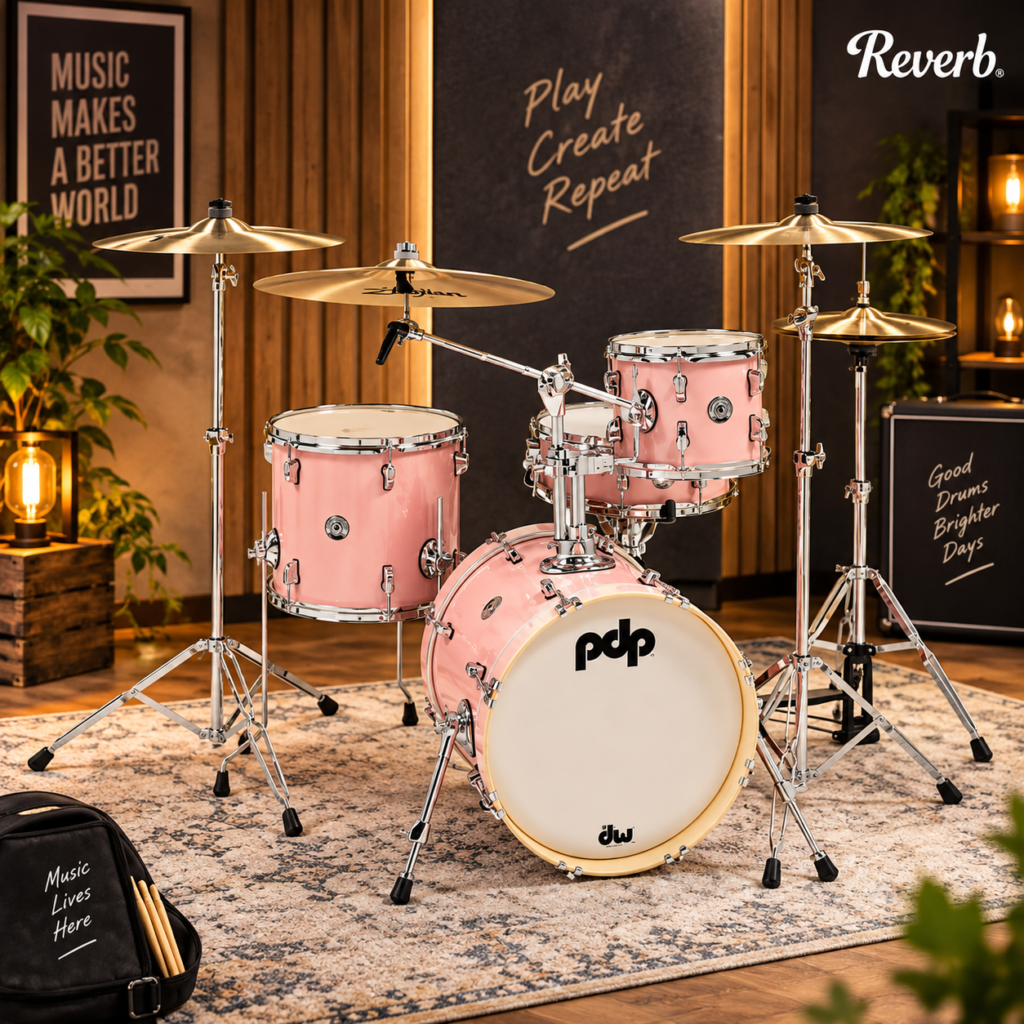
The Reverb music gear marketplace extends well beyond guitars and keyboards.
Drummers can explore drum kits, cymbals, snares, pedals, stands, and percussion equipment. Guitarists and bass players can browse amps, cabinets, heads, and related equipment.
For producers, Reverb’s pro audio and recording category includes equipment for building and upgrading a home studio. Reverb’s home-recording buying guide highlights equipment such as USB microphones, XLR microphones, and audio interfaces.
This makes Reverb useful when you’re putting together an entire recording setup rather than shopping for just one instrument.
How to Research Prices on Reverb
Before purchasing used or vintage equipment on Reverb, spend some time researching prices.
Don’t automatically assume that the cheapest listing is the best value. Compare similar instruments while considering the exact model, year, condition, modifications, accessories, and seller information.
Reverb also offers a Price Guide as part of its resources, alongside buying guides and other tools designed to help musicians research music equipment.
For vintage instruments especially, comparing similar listings and previous market information can help you understand how different versions of the same model are priced.
Buying Music Gear From Reverb Sellers
When buying on Reverb, you’re purchasing from individual sellers, so reading the listing carefully is important. Reverb recommends contacting the seller directly if you have questions about an item or order.
Before purchasing, check the condition description, photographs, shipping information, included accessories, and return-related details that apply to the listing.
For international purchases, shipping costs and customs considerations can also vary depending on the seller and destination, so checking the listing and confirming details with the seller can help avoid surprises.
New vs Used vs Vintage Gear on Reverb
Choosing between new, used, and vintage gear depends on what you’re looking for.
New Reverb gear can be suitable when you want current models and unused equipment.
Used Reverb gear can provide access to pre-owned instruments across different price points and conditions.
Vintage Reverb gear can be appealing when you’re searching for older models, distinctive designs, discontinued instruments, or collectible equipment.
Rather than choosing simply because an instrument is new, used, or vintage, compare its condition, specifications, purpose, and price.
Final Thoughts
Reverb musical instruments give musicians access to a broad marketplace covering new, used, and vintage equipment. From guitars, basses, and amps to effects pedals, synthesizers, drums, keyboards, DJ equipment, and professional recording gear, Reverb offers plenty of ways to explore and build a personalized music setup.
The best way to shop Reverb is to research before buying. Compare similar listings, understand the specifications, inspect condition carefully, and consider how each piece of equipment fits your current setup.
Whether you’re looking for your first guitar, upgrading a pedalboard, building a home recording studio, or searching for a unique vintage instrument, Reverb gives musicians a dedicated place to discover, compare, buy, and sell music gear.